How AI is changing the way guests discover and book hotels
Navigating the new customer journey in the age of AI
A turning point for hospitality marketing
The hospitality industry has always been defined by human connection. It is a business built on relationships, experience, and trust. Yet the landscape around that human core continues to shift at a pace we have never seen before. Economic anxiety, dramatic changes in consumer behavior, and rapid advances in artificial intelligence are converging to reshape how travelers find, evaluate, and book a stay.
GCommerce founder Scott van Hartesvelt reflects on a career shaped by several eras of digital disruption and the resilience required to navigate change. Today, hoteliers face another moment of uncertainty but also another moment of opportunity.
The question is no longer whether AI will reshape the booking journey for hotels and resorts. The question is how fast it will happen and how hotels can establish an advantage while this transformation is underway.
This guide outlines what has changed, what is at stake, and what actions hotels can take today to increase direct bookings, strengthen visibility, and stay relevant as AI-powered discovery becomes the norm.
We have been here before
Every major shift in hospitality marketing has been met with uncertainty. Each one also delivered meaningful advantages for hotels and resorts that acted early.
- The early 2000s : Paid search reshaped the marketing landscape. Google Ads allowed hotels to place targeted messages in front of travelers actively searching for a destination or type of stay. This was the beginning of behavioral targeting. The earliest adopters gained a performance advantage and lower acquisition costs while late adopters hesitated in the face of unfamiliar technology.
- Late 2000s and early 2010s : The financial crisis created intense pressure on hotel budgets; at the same time, social platforms introduced psychographic targeting. These tools opened a new path for audience segmentation based on interests, affinities, and social patterns rather than search intent alone. Early adopters again benefited from lower costs and increased visibility.
- Early 2020s: COVID created another existential shock. In parallel, significant advances in data, OTT, CTV, and micro targeting emerged. Adoption again varied. Some hotels leaned in while others pulled back.
Across each era, the adoption curve followed the same pattern: early movers gained sustained advantage while late adopters fell behind. This history matters because AI represents a disruption at a greater speed and scale than any that came before.
The new disruption facing hotels and resorts
The current environment combines two forces that make decision-making difficult for hotel leaders.
- Declining confidence in financial performance: Tariffs, changes in international travel patterns, recession fears, negative RevPAR projections, and unpredictable spending behavior are creating real uncertainty for properties across the country.
- A major shift in consumer behavior: Travelers are using new tools, planning differently, and engaging less with the traditional funnel. As a result, many hotels are reducing their investment in marketing. According to Gartner, hotels now allocate 8.4% of room revenue to marketing, down from 11% before the pandemic. This is the environment in which AI adoption is accelerating.
- AI adoption is moving at an unprecedented speed: Technology adoption has never moved this quickly. AI has reached ubiquity in record time.Large language model capability is doubling every four to six months, far outpacing the original innovation curve predicted by Moore’s Law. This acceleration is often referred to as Hinton’s Law, a model that reflects the compounding impact of data, algorithms, and computing power. Travelers are not only adopting these tools; they are also using them. They are weaving them into their travel planning.
- 52% of US adults now use tools like ChatGPT, Gemini, Claude or Copilot.
- ChatGPT has hundreds of millions of weekly active users.
- All Fortune 500 companies have integrated AI into their operations.
- ChatGPT reached 50 million users in 2 months, surpassing the adoption rates of television and the internet. The chart on slide 19 highlights this dramatic acceleration.
- The traditional customer journey is collapsing: For more than two decades, the inspiration to booking journey has remained largely unchanged. Travelers move from inspiration to consideration, then preference, intent, and finally booking. Yet travelers no longer move through these phases in the same way.
The current state of travel planning
Travelers view an average of 141 pages of content over 45 days before booking.This should be a marketer’s dream because each page represents an opportunity for intervention. Yet customers do not enjoy the process:
- 56% say they feel overwhelmed by too many choices
- 80% say price comparisons take too long
- 71% worry they did not get the best deal
- 60% percent are dissatisfied with current planning options
This disconnect creates an opening for AI to simplify the journey.
How AI collapses the funnel
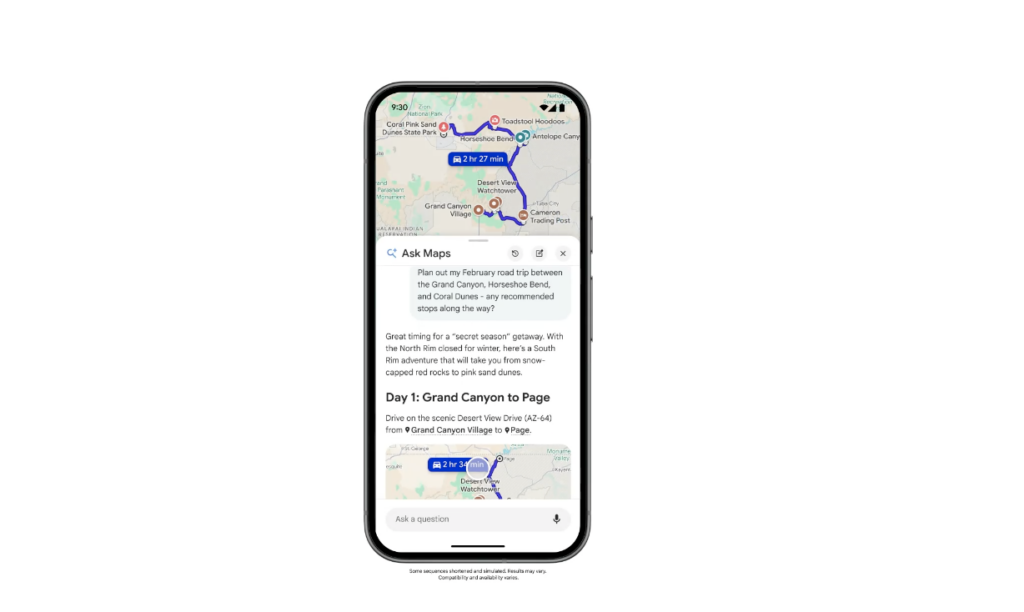
When asked directly, ChatGPT confirmed that AI assistants are already collapsing the inspiration to booking journey by helping travelers discover options, compare choices, and move toward a decision in a single conversation.
- Search is moving from lists of links to direct answers
- Discovery and decision now happen within one chat thread
- Travelers want all-in-one planning, with ninety percent saying they prefer a single super-app that handles the full journey
- Book from anywhere capabilities allow reservations to occur on platforms like Instagram or AI-powered interfaces without visiting a booking site directly
Microsoft Copilot has already integrated with major OTAs, enabling travelers to complete bookings from within a chat interface. This is no longer hypothetical. It is already in market and growing.
The real risk for hotels: Disintermediation
The rise of AI-driven planning introduces an urgent risk. If travelers rely on AI systems that pull inventory from large marketplaces, OTAs once again become the default access point for customers.
ChatGPT will not process payments or operate as an OTA. Instead, it will surface deep links or API driven booking paths from partners. If hotels do not supply a direct booking endpoint, the assistant defaults to OTA inventory.
Most of the current integrations run through OTAs, not through individual property CRS systems. This recreates the same disintermediation challenge hotels faced in the early 2000s.
Properties that do nothing risk losing visibility at the earliest stage of inspiration and losing direct bookings at the point of conversion.
What hotels can do right now
The good news is that hotels can take action today. These steps strengthen visibility within AI-powered search and improve the likelihood that a property appears as an authoritative answer.
These tactics also support broader SEO performance, improve guest experience, and reinforce the property’s digital foundation.
1. Strengthen website technical health
- Ensure AI bots are not blocked
- Use structured, machine-readable content formats
- Improve mobile friendliness and site speed
- Fix 404 pages and broken links
- Maintain a clear, logical site structure with internal links and updated sitemaps.
A healthy site gives AI systems confidence in the information being returned.
2. Implement schema and structured data
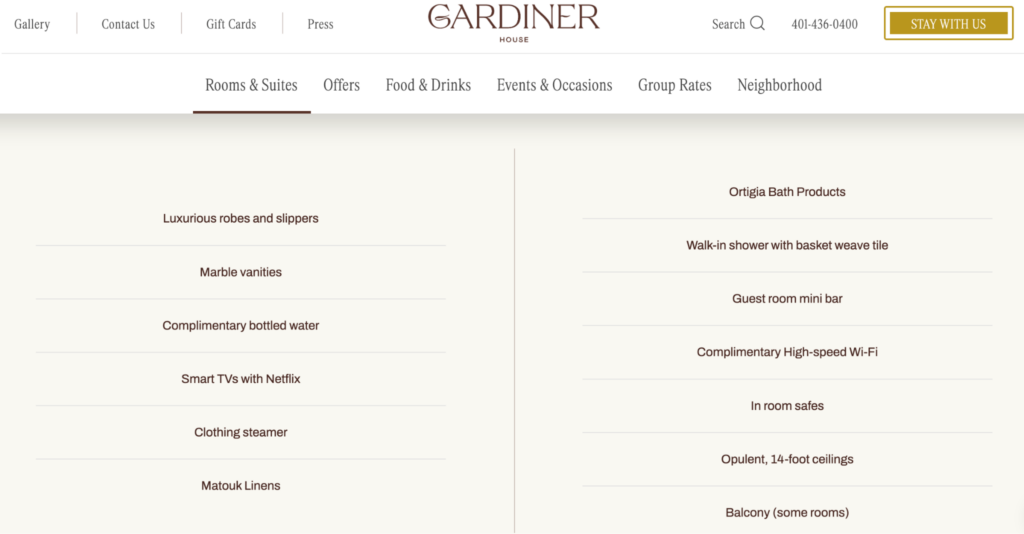
Schema is one of the strongest signals for answer engine optimization and large language model visibility. It helps AI interpret property attributes, room types, amenities, policies, dining, and experiences with clarity.
3. Elevate local SEO and review quality
Reviews play a critical role. AI tools use third-party sentiment to validate recommendations. Ensure listings are consistent and complete across Google Business Profile, Bing Places, and other platforms. Manage reviews with care.
4. Build robust FAQ content
LLMs respond well to question and answer structures. Add a dedicated FAQ page and embed Q&A sections on room, dining, amenity, and area pages. Mark up with FAQ schema.
5. Shift to conversational, human-centered content
Content now needs natural language, clarity, and empathy. This aligns with how travelers ask questions inside AI systems and helps the model surface the hotel as a relevant answer.
6. Strengthen on-page SEO and expand content depth
GCommerce recommends optimizing page elements, adding multi-modal formats, publishing local area content, and building itineraries. Itineraries are particularly powerful because AI uses them to support end-to-end trip planning.
7. Participate in forums and community channels
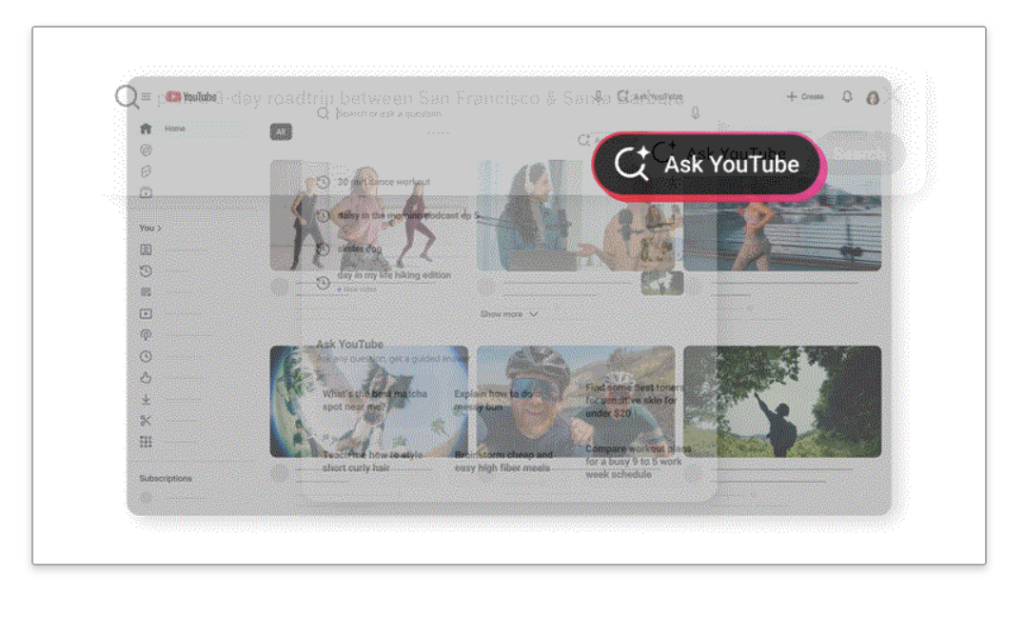
Reddit and YouTube provide rich contextual signals to AI models. Properties that participate authentically in destination-relevant conversations build authority.
8. Publish structured, answer-oriented social content
Use carousel posts, highlight local knowledge, and link back to schema-rich pages. Social content now plays a dual role: engaging consumers and supplying structured signals to AI models.
9. Strengthen PR and link building
High-quality links and mentions remain essential signals. Build presence across local organizations, publications, and affinity audiences.
10. Prepare for AI-driven advertising
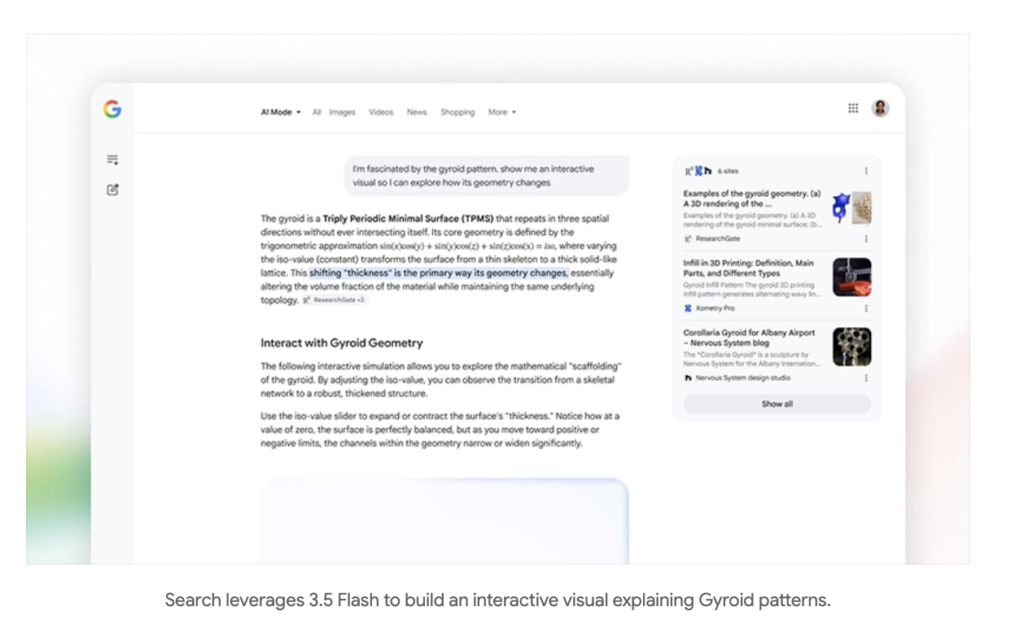
Google has already announced AI Mode placements for select campaign types. The industry is moving toward commercialized AI surfaces, and hotel metasearch will likely play a larger role.
GCommerce direct inventory integration for AI systems
GCommerce has developed a breakthrough: GCommerce is now feeding direct hotel inventory into ChatGPT and other LLMs through API connected deep links via our beta.
This matters because:
- It prevents defaulting to OTA inventory
- It preserves control over the guest relationship
- It supports direct bookings and transparency
- It provides reporting on both traffic and booking behavior coming from AI channels
.
This integration represents an essential step in reclaiming visibility as AI systems become the primary path for many booking journeys. It also reinforces why hotel metasearch and Google hotel ads play an increasingly strategic role for properties and digital marketing agencies working to protect direct revenue.
AI is reshaping hospitality, but hotels still shape the guest experience
AI is not replacing the human connection that defines hospitality. It is reshaping how travelers reach you, how they evaluate choices, and where they choose to engage. For hotels and resorts, this moment requires clarity, adaptation, and the willingness to lean in while the landscape continues to shift.
The hotels that act now will strengthen their position, increase direct bookings, improve discoverability, and build resilience into their marketing ecosystem. Those that wait risk losing visibility across the earliest and most influential stage of the traveler journey.
The future of hospitality marketing is still grounded in authenticity, human experience, and thoughtful strategy. AI simply changes how we reach that moment of connection.
Join the GCommerce closed beta for direct inventory in AI systems
GCommerce is leading an industry-first initiative to connect property-level inventory directly to AI assistants like ChatGPT. This protects direct booking paths, reduces reliance on OTAs, and provides real-time insights into how AI is driving traveler behavior.
If you want your property to gain an early advantage and help shape how AI influences travel planning, join the closed beta.
Your property will be among the first in the industry to secure visibility inside AI-powered planning and booking experiences. Sign up for our beta now.