How to increase your booking window with smart revenue management
For many hotels and resorts, shortened booking windows represent a significant challenge. Guests are waiting until the last minute to book, often holding out in hopes of a better deal or because travel plans have become more spontaneous.
And often, it works. As a property nears a low-inventory period, hotels will sharply reduce rates, reinforcing the guest’s belief that waiting until the last minute leads to savings. While this can fill rooms, it also puts pressure on your revenue strategy, limits your ability to forecast accurately, and may leave potential revenue on the table.
The good news? There are techniques you can deploy to help you extend your booking window, giving you more lead time, steadier occupancy, and healthier average daily rates (ADR).
Here’s how to make it happen:
1. Analyze historical data to understand your current window
Before you can extend your booking window, you need to know exactly what it looks like today. Use your PMS and revenue management tools to track:
- Average lead time by season
- Lead time by segment (corporate, group, leisure)
- Market trends and competitor lead times
Understanding when guests actually book allows you to target specific opportunities for improvement. For example, you might discover that leisure guests in summer book 14 days out on average, while corporate travelers book 30+ days in advance.
2. Use targeted pricing to encourage early commitments
A dynamic pricing strategy can nudge guests to book sooner. Instead of offering the lowest rates at the last minute, flip the script:
- Early-bird discounts – Offer slightly lower rates for guests who book a set number of days in advance. Target discounting just 25% of the discount you typically would offer to fill short-term need periods.
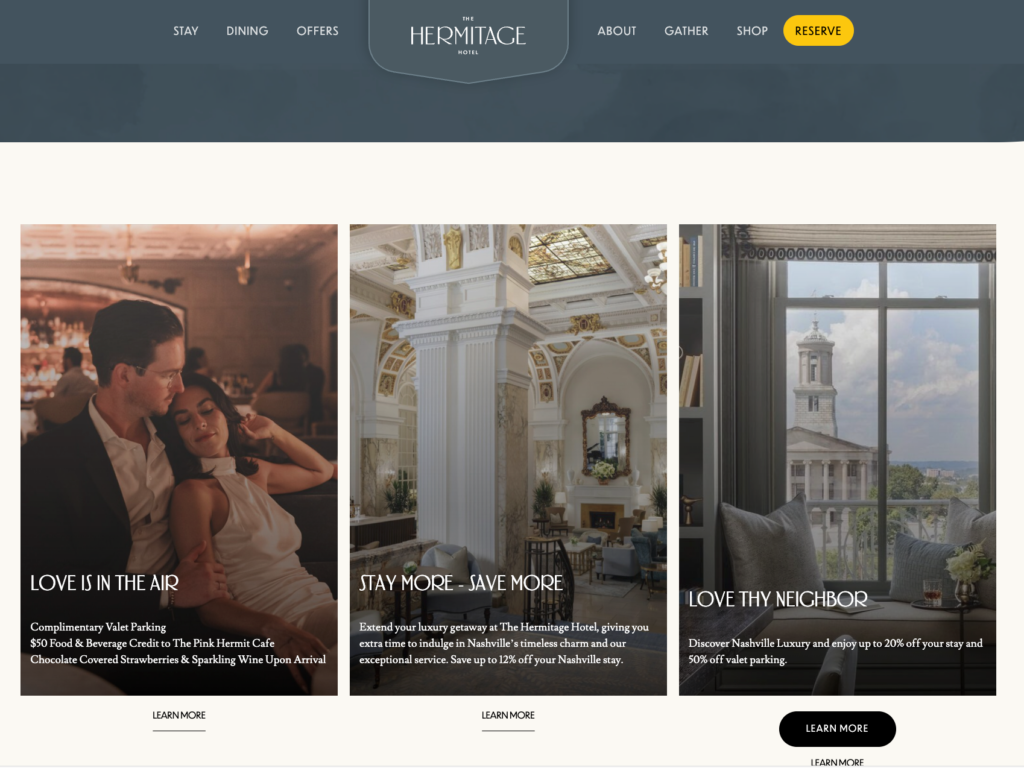
- Rate fences – Create packages that add value for early bookers, such as breakfast or free parking.
- Advance purchase offers – Require prepayment for the best price, locking in revenue earlier.
- “Best Rates of” messaging - Announce your best rates of the season or even the year. Train your audience to understand that they won’t find a better rate than the one they are currently looking at at any other time of the year.
Pro tip: Make sure these rates are visible and compelling across all your distribution channels, especially your direct booking site.
3. Leverage your marketing calendar
Your marketing team can be a powerful ally in extending the booking window. Plan campaigns that create urgency for earlier booking:
- Seasonal teaser campaigns – Build excitement months ahead of peak season.
- Email drip campaigns – Nurture past guests with “plan ahead” messages.
- Countdowns & limited-time offers – Encourage guests to book before the rate increases or the package sells out.
The key is to align promotions with booking behavior, launching them before your current peak booking window to push it earlier.
4. Offer flexible cancellation policies
One reason guests wait to book? Fear of losing money if plans change. Offering a flexible cancellation policy (within reason) removes this hesitation and encourages guests to commit earlier.
For example:
- Offer a discounted, non-refundable early-bird rate alongside a slightly higher flexible rate.
- Use tiered cancellation windows, more generous for earlier bookings, stricter for last-minute.
This balance protects your revenue while giving guests the confidence to book now instead of later.
5. Partner with groups and events
If your market hosts annual conferences, festivals, or sporting events, partner with organizers to offer exclusive rates for attendees. Groups tend to book earlier, which helps smooth occupancy and creates a base from which you can yield higher rates for last-minute demand.
6. Monitor and adjust in real time
Revenue management is never “set it and forget it.” Monitor your pace reports weekly (or even daily in high season) to see how your booking window is shifting. If pick-up is slow in advance, adjust your pricing, marketing push, or availability to encourage earlier commitments.
Why extending your booking window matters
A longer booking window gives you:
- Better forecasting accuracy for staffing and inventory.
- More opportunities to yield rates for last-minute demand.
- Stronger cash flow from prepayments.
- Reduced stress for operations teams.
When you combine smart data analysis, strategic pricing, and proactive marketing, you can nudge guests to book earlier, while still capturing late demand at premium rates.
Bottom line: Extending your booking window isn’t about pushing guests into early decisions. It’s about creating value, trust, and a compelling reason to plan ahead. With the right revenue management tactics, you’ll turn unpredictable, last-minute bookings into a well-paced stream of revenue that supports your long-term profitability.