Subject to success: How to write email subject lines that get clicked

SHARE:

Your email subject line is the first impression you make in a crowded inbox. It’s the make-or-break factor that determines whether someone opens your message or keeps scrolling. That’s why it’s so important to optimize your subject line to ensure users engage with your content instead of leaving your email to drown in a swarming inbox.

Keep reading to learn about best practices, strategies, and examples to help you write subject lines that actually get clicks. 

Create urgency

Urgency compels users to take immediate action. Using time-sensitive language like “urgent,” “breaking,” “important,” or “alert” to express a sense of urgency and encourage clicks. 

Clearly communicate start and end dates for special promotions or sales to improve click rates, and consider sending a countdown series to remind subscribers as deadlines approach. However, you’ll want to avoid overwhelming their inbox, as this can come off as spammy and may prompt users to unsubscribe from your email communications. 

Example: Ending soon | Favorites up to 70% off - This pairs urgency with a clear offer. 

Spark curiosity

Curiosity can be a powerful motivator, especially when it intrigues the recipient enough to click. This tactic allows you to tease the content without giving everything away. However, avoid misleading copy. Always deliver on the promise in your email. 

Example: Is this the perfect weekend getaway? - This leaves the reader wanting to find out more. 

Highlight offers

People love a good deal. And, they love “free” even more. Mention discounts, freebies, or exclusive perks in your subject line to catch the user’s attention and encourage a click. Numbers are eye-catching and specific, so use them when possible.

Example: Exclusive: 20% off your spring escape - This is highlights the offer in the subject line.

Personalize your messaging

No two customers are alike. Adding personalization increases relevance and builds a stronger connection. Use the recipient's name, past purchase behavior, or location when appropriate. Keep the tone conversational to make it feel like a one-on-one message and further that customer-brand relationship. 

Example: Steve, your favorite ocean-view suite is waiting - This offers personalization of name and past purchase behavior.

Make it timely & relevant

Leverage trending topics, seasonal themes, or timely events to make your subject lines more compelling. Tie your content to what’s top-of-mind for your audience right now. 

Example: Escape to the Baja’s brilliant shores - This email subject line in January feels more tempting and makes the user envision a warm getaway during the winter months. 

Keep it concise (but flexible)

Shorter subject lines tend to perform better because people tend to skim their inboxes. Aim for 40-50 characters when possible. If a longer subject line is needed for clarity, prioritize relevance and readability. 

Example: Your seaside escape awaits – Book direct- This is short and gets to the point.  

Use a recognizable sender name

“From” field can be just as important as the subject line. Use your brand name or a real person’s name to keep things from appearing as spam. Avoid “no-reply” addresses, as this can feel impersonal and uninviting. 

Example: noreply@gcommercesolutions.com

Match subject line to content

Trust is key, especially with the influx of emails the average person receives every day. Make sure your email delivers exactly what the subject line promises. Misleading readers can cause unsubscribes or spam complaints. 

Start with action-oriented verbs

Subject lines double as mini call-to-actions, so lead with verbs that inspire clicks. 

Example: Dine in at Versante - This is clear and action-focused. 

Play into exclusivity & FOMO

Make recipients feel special or like they’re getting access to something others aren’t. Use phrases like “exclusive,” “members only,” or “invite-only.” Lean into urgency by pairing exclusivity with a deadline. 

Example: Your final reminder: Members-only Get 20% off - This combines urgency with a sense of importance. 

Pose a question

A compelling question can draw readers in, but be careful with punctuation. Avoid using both a question mark and an exclamation point in the same subject line, because spam filters may flag it. 

Example: Have you booked your summer getaway yet? - This poses a question to grab the user's attention.

Avoid spam triggers

Some formatting choices can land you in the dreaded spam folder. Don’t use all caps, try to limit exclamation points, and keep language natural to keep from raising any spam flags. 

Example: 20% OFF POOL SIDE ROOMS - This uses all caps, which is a trigger for spam filters.

Use engaging preview text

Preview text, the text that follows your subject line and gives more flexibility with character limit, is your second chance to grab attention. Use it to expand on the subject line and hint at what’s inside. By piquing interest even further, you’re more likely to encourage a click. 

Test & optimize with A/B testing

Small tweaks can have big results. Test different variations like short vs. long subject lines or numbers vs. no numbers. This is also an opportunity to test emojis vs. no emojis or compare questions vs. statements to really narrow down what resonates with your audience. 

However, keep in mind that when A/B testing, you’ll want to test one thing at a time. That way, there is no confusion about what exactly worked for you. 

Retarget non-openers

Most people get so many emails that they skim through and end up missing things. Don’t give up after one send. Retarget those who didn’t open the first time with a fresh subject line. Something playful and attention-grabbing encourages a higher open rate and drops a fresh email at the top of their inbox. 

Example: Opps, looks like you missed this great offer!  - This is a playful way to present an offer again.

Identify the purpose

Why is this email being sent? What is the goal of this email? Whether it’s to offer a great promotion or inform about an upcoming event, let that guide your subject line’s focus.

Determine the call-to-action

What do you want readers to do after opening? A clear call-to-action boosts engagement and gives obvious instructions as to what the user should do next. A call-to-action can be something like “book now,” “learn more,” “see our rooms,” or “start planning.”

By following these best practices and consistently testing, you can refine your subject lines into powerful tools that boost open rates, click-throughs, and revenue.

Need a little boost in your email subject lines? GCommerce’s marketing team is ready to take your email strategy to the next level. Connect with us today to see how we can help shape your strategy! 
Email campaigns 101: What to send & why

SHARE:

Email marketing is still having its moment, despite the rise of AI digital marketing efforts. Email marketing is one of the most powerful marketing tools for connecting with guests, building loyalty, and driving revenue. Across our portfolio, we are seeing an email conversion rate YTD that is 6.5X higher than paid social and 11X higher than display.

When it comes to your hotel’s digital marketing strategy, email campaigns aren’t meant to be one-size-fits-all. Learn how your hotel can optimize it's email campaigns in our full blog below. 

One-time campaigns

One-time email campaigns are sent manually at a specific time and with a specific goal in mind. These email types are ideal for promoting time-sensitive offers or delivering important property updates and upcoming events. 

One-time campaign examples

  • Room offers - Send offers, seasonal promotions, or flash sales to drive direct bookings. These types are great for A/B testing things like subject lines and messaging. 
  • Events & announcements - Promote upcoming events at the property, new amenities, upcoming renovations, or local happenings to encourage direct engagement with your upcoming guests or local market. 
  • Newsletters - Share a round-up of property news, local events, and upcoming sales or promotions to keep your property top-of-mind. This email type is great to send quarterly or even seasonally, though sending monthly is also an option. 

Why use these email types? 

One-time campaigns allow for flexibility and creativity. They’re perfect for driving direct bookings and keeping your audience informed about what’s happening at your property and in the area. 

Automated campaigns

Automated campaigns run in the background, sending the right message to the right guests using segmentation, and are triggered by a specific action, behavior, or timeframe. Generally, automated campaigns are split into two types: transactional and lifecycle. Transactional campaigns are tied to the booking engine activity, while lifecycle campaigns support the full customer journey and work to boost engagement. 

Transactional automated campaign examples 

  • Confirmation, modification, & cancellation emails - These email types can be used to keep guests informed about their reservations, whether it’s to confirm a booking has been made, a guest has added an additional room to their reservation, or to confirm that a booking has been successfully cancelled. The former two also offer opportunities to upsell guests on amenity add-ons. 
  • Cart abandonment - Utilize this campaign type to recover lost bookings by reminding guests to complete their reservation.

Lifecycle automated campaign examples

  • Pre-arrival emails - Welcome guests before they arrive, provide helpful info about the hotel and the area, and suggest amenity add-ons/upsells. 
  • Post-check-in emails - This email type is sent after check-in to enhance the guest experience and introduce available amenities. Use this email campaign to promote happenings at the hotel during the guest’s stay or recommend activities in the area. 
  • We miss you - These email campaigns allow you to reconnect with past guests and encourage repeat stays with a personalized incentive. Utilize language like “come back to see us,” “create more memories,” or “book another unforgettable stay”. This email type is typically set up to send 365 days after a guest’s check-out if they have no future stay already booked. 
  • Lead nurturing - Re-engage cold or warm leads with timely offers and updates that encourage them toward booking. 
  • Qualification Emails - This email type is triggered when a guest meets a specific criterion, such as joining your loyalty program. 
  • OTA winback - Use segmentation features to encourage guests who booked via an OTA to instead book direct next time. These emails are a great opportunity to promote direct booking offers such as “15% off when you book direct.” 
  • Birthday emails - Create personalized and meaningful connections with guests using this email campaign. Send over a special offer or complimentary perk to celebrate their big day and encourage bookings.
  • Cancellation recovery - Win back guests who cancel by offering an incentive for future stays. 
  • Messaging upsells - Highlight add-ons such as room upgrades or personalized experiences to generate extra revenue. These types offer an opportunity to connect with guests further and make them feel special. 

Why use these types? 

Automated emails ensure timely, relevant communication without having to manually schedule email sends. They help nurture leads, improve guest satisfaction, and maximize revenue opportunities. 

Survey emails

Survey emails invite guests to share their feedback after a stay, which can be very valuable for improving your property and the guest experience. 

Best uses for this email type include post-stay surveys to measure satisfaction, quick polls to gather opinions on potential offers, and event feedback to improve future experiences. 

Why use these types? 

These emails provide direct insight from guests, help identify areas for improvement, and show guests you value their opinion and feedback. 

TLDR: What should you take away?

A strong email marketing strategy uses a mix of campaign types. One-time campaigns can create buzz and drive quick results, while automated campaigns keep communication consistent and personalized. 

By strategically combining these email types, you can boost bookings, improve guest satisfaction, and create lasting connections with your audience. 

Ready to up your email game? Connect with us to see how we can take your strategy to the next level! 

How the iOS 18 Update Will Impact Email Marketing

SHARE:

If you haven’t seen by now, Apple is currently releasing their next big software update, iOS 18. The update became available on September 16, 2024, and includes a myriad of enhancements and updates to everyone’s favorite Apple products. Apple boasts that this major update brings in new ways to personalize your iPhone with deeper customizations to the Home Screen, Control Center, and more. The Photos app has been completely redesigned, and soon there will be additional features added to Messages and Mail.

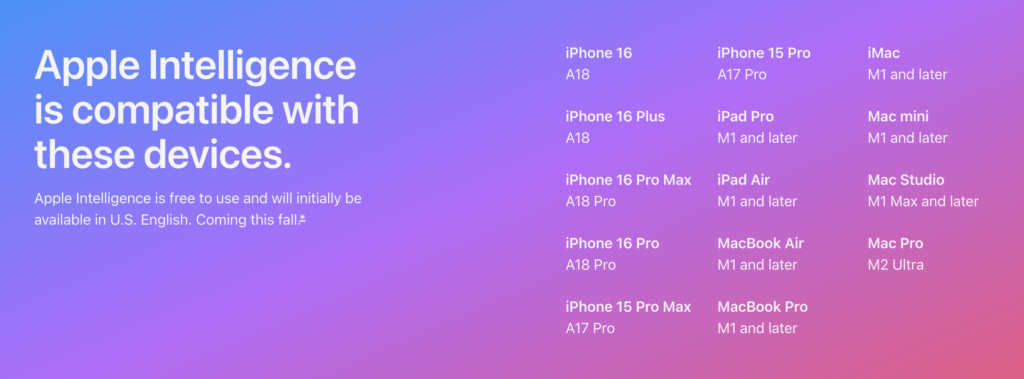
However, the biggest impact to digital marketers comes with the newly introduced Apple Intelligence, set to release in October and November 2024. This personal intelligence system utilizes the power of generative AI models and personal context to provide greater value to iPhone users while also protecting privacy and security.

The Apple Intelligence feature is only rolling out on these types of devices for now:

How will iOS 18 impact digital marketing?

Let’s get down to it–what is Apple Intelligence exactly and how does it impact marketers? In a nutshell, Apple Intelligence is marketed as AI for the rest of us. Through a series of iPhone enhancements, Apple is putting the power of generative AI at our fingertips with easy-to-use integrations such as writing tools, message and email reminders, image editors and creators, updated abilities for Siri, and more privacy protection. While these tools are all exciting and should offer more value and control to the iPhone user, it’s the email updates, in particular that will affect digital marketing moving forward.

Set to release later this fall, Apple Mail will begin doing a couple of things:

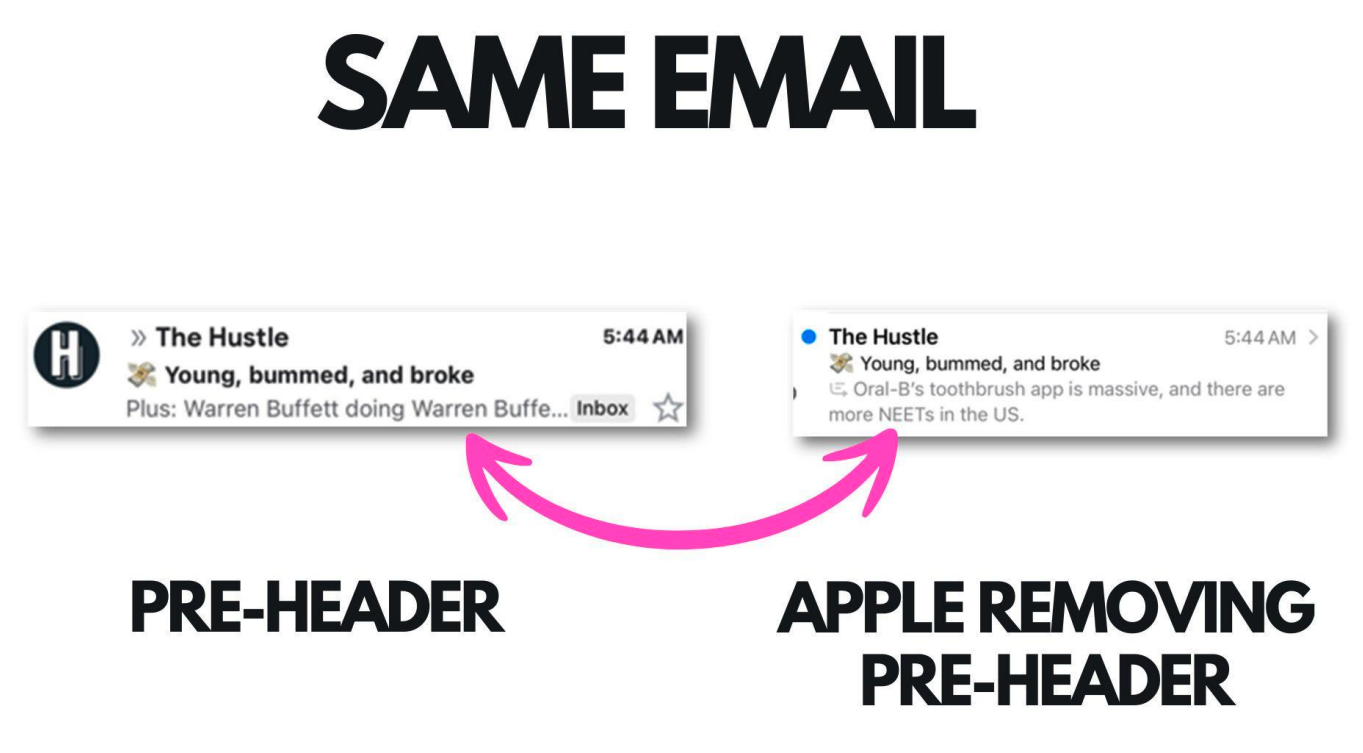
  • Removing customized preview text and replacing it with random snippets from the email body. Email marketers will have no control over what text populates in the preview text for any email opened in Apple Mail. Early testing that we’ve seen shows that preview text often has absolutely nothing to do with email content and does nothing but confuse the user.

Image Source: Jay Schwedelson at SubjectLine.com

  • Utilize AI to filter all emails into four new categories: Primary, Updates, Promotions, and Transactions. For an email marketer, the Promotions category will essentially be the kiss of death when it comes to open rates and viewability, as your email will be swimming in a sea filled with other promotional materials. Instead, we want to focus on getting our emails into the Primary and Updates inboxes.

So, why does this matter? 

56% of users utilize the Apple mail app on their iPhone instead of other downloaded apps such as Gmail or Outlook. Because this app comes preloaded on your iPhone and integrates with all Apple products, it tends to be the easiest option. Therefore, how your emails showcase and get filtered really matters when it comes to open rates and, ultimately revenue. 

Tips & ticks to help combat the iOS 18 mail updates

While we can’t stop the iOS 18 mail updates from rolling out, we can add a few new tricks to our marketing toolbox to help get our emails seen, opened, and ultimately clicked on. 

Utilize your “From: Address” as an extension of the subject line

That’s right, the From: [Hotel Title] is valuable real estate and should be used to expand upon the subject line and email content. Instead of keeping that piece generic with your hotel’s name, include extra verbiage, such as announcing a Flash Sale at [Your Hotel] or Fall Getaways at [Hotel Name] to boost your subject line. The best part? You can change your From: Address as many times as you want for every email, and it won’t impact deliverability. So why not give it a try? With preview text going away, this is the perfect way to get more controlled verbiage into your customer’s inboxes.

Pro tip: You don’t even NEED to include your full hotel name as the From: Address. Think outside the box and try something new this year!

Include AI trigger words to email subject lines

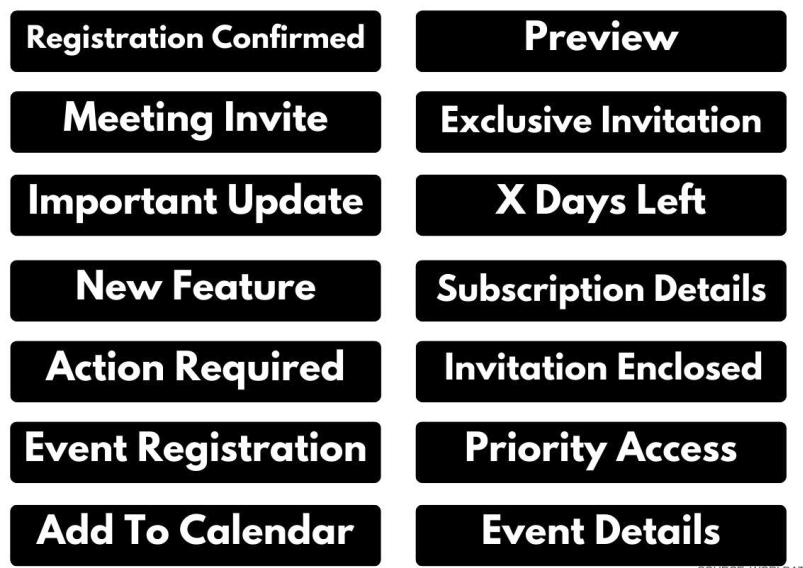
Similar to trigger words for the spam filter, early testers have been able to identify trigger words for Apple’s new AI capabilities when it comes to categorizing your emails into Primary, Updates, Transactions, and Promotions. Sourced from the WorldData Research 2024 Performance Report, the following phrases and words have been shown to help Apple’s AI push your emails into the Primary and Updates sections.

Image Source: Jay Schwedelson at SubjectLine.com

While these words and phrases don’t need to be your main focus, they can help bolster your hotel’s email efforts. 


As we stated earlier, the iOS 18 update is now available, but the Apple Intelligence features won’t roll out until October and November, giving us some time to prepare our strategies for the future. If you need help with your email marketing, you can trust the experts at GCommerce.

Best Practices for Messaging Your Hotel’s Reopening During COVID-19

SHARE:

When people are ready to travel again they are going to return to brands and hotels they trust. The question is, how can your hotel instill trust in loyal guests and new guests in a post-COVID-19 world? The answer is consistent communication and thoughtful messaging. Your team has been working hard to develop a plan for reopening that follows local guidelines to maintain guest and employee safety. You should share this information and messaging across different channels to help re-establish trust with your customers. This trust will make them feel secure in booking at your hotel to drive the revenue your business needs to thrive. Here is a breakdown of our recommendations for great communication and messaging by channel.

Hotel Reopening Messaging Best Practices By Channel:

Hotel Website Messaging

Your hotel’s website is your online storefront and the place where guests and potential guests go to get official information from your business. Make sure you keep this information up to date and accurate. Here are some best practices and ideas to follow:

1. Create a post-COVID-19 reopening website landing page specifically developed to communicate your hotel’s new policies, procedures, and FAQs around how it’s complying with regional requirements to keep guests safe.

2. Install a post-COVID-19 website ribbon at the top of the homepage that links to the landing page. We recommend using messaging in the banner geared towards cleanliness and peace of mind vs. using the words COVID-19 update. 

3. Include updates with specific information about the current status of your hotel’s amenities such as the pool, restaurants, and spas. Include any new procedures and what guests can expect when interacting with your hotel’s amenities during their upcoming visit. For example:

  1. Lounge chairs at the pool will be 8-ft apart. 
  2. We’ve removed ½ of our tables at the restaurant to comply with social distancing regulations. 

4. Do not hide any pages devoted to business entities at your property that might be temporarily closed. This could negatively impact your performance in the search engines and confuse customers rather than inform them. Instead, place text at the top of the page with a status update on the specific amenity. 

5. Avoid pop-ups as Google has stated these can negatively impact SEO and provides a poor user experience, especially on mobile devices. If a visitor closes the pop-up it also makes it difficult to find the information again.

6. Add an email sign up right below any “We’re Temporarily Closed” messaging so visitors interested in your hotel can stay informed and connected with your property. This ensures you can maintain communication and encourage future stays through email marketing campaigns.

Hotel Booking Engine Messaging Updates

Keep messaging around new policies visible within the booking engine flow to make people feel secure. Include messaging around flexible reservation cancelations or changes and include details on how you are keeping them safe to increase conversion rates.

eCRM & Email Messaging for COVID-19 reopening

Ensure all of your email and eCRM communication include messaging around COVID-19 related policies, procedures, and links to learn more from your hotel’s COVID-19 specific landing page. Help the guest understand what to expect upon arrival at your property.

Hotel Social Media Communication

Your loyal hotel customers, as well as aspirational ones, are following you on social media. Make sure you are utilizing this channel to keep them informed on your hotel’s reopening or current status and any changes to policies and procedures. This is also a great place to keep your hotel’s fans updated on what’s happening locally that may encourage them to consider traveling to your area soon.

Paid Media

If your hotel hasn’t relaunched paid media, you should strongly consider jumping back in if you are able to find the funds. Check out our last blog post for a list of very convincing reasons why. Not sure what approach to take with your hotel’s reopening messaging? Here are a few examples:

  • Hotel Paid Media COVID-19 Messaging Examples:
    • Book today with peace of mind. 
    • Our spacious grounds are the perfect escape. 
    • Book a Risk-Free Vacation with our Flexible Cancellation Policies
    • Plan your worry-free escape and book today. 
    • We’ve made changes to make sure our guests stay safe. 
    • Book today with worry-free planning. 
    • Cancel for any reason. 
    • Escape to the mountains where fresh air and blue skies await.
    • Escape a world of worries. We’ve got your beach chair ready. 
    • Celebrate with a staycation and experience local attractions like never before. 
    • COVID Services Update – Learn More
    • Questions? See up-to-date COVID Information >>
    • A Deep Clean and Peace of Mind for All of our Guests
    • New Standard of Clean 

You can find an expanded list of ideas for themes to drive your hotel’s messaging during a crisis here

Your hotel’s direct booking channels are going to be the key to communicating with your guests and making them feel secure in planning their next stay at your hotel. Keep them informed and make them feel secure in order to have the most positive impact on your hotel’s website conversion rate to drive more bookings.

Planning for the Rebound | COVID-19

SHARE:

After an absolutely crazy couple of weeks, our dear friends at Dollywood’s DreamMore Resort & Spa shared this picture with us:

It was so refreshing to see this positive message that reminds us that the current coronavirus pandemic is not going to last forever. The entire world will bounce back. We just have to hang on, be kind and support one another while we get through this. Also, start to put our thinking caps on as to how best to be ready for the inevitable rebound of the travel industry. Whether your property is closed or remains open, there’s no better time than today to start thinking about how to adjust your hotel’s digital marketing strategy.

Here are the top 11 digital marketing tactics you should do to get your hotel ready for the rebound and get ahead of the competition:

  1. Be ready with drive market and staycation messaging. Think about it, how long will it be before you’re ready to get on a plane? 
  2. Geo-target your hotel’s digital marketing campaigns to focus on the drive market. Don’t spend money or effort reaching your fly-markets for a few more months. If they still want to come, they will find you. Right now, we need to penetrate the local market who can hop in their car and drive to your hotel.
  3. With the increase of people driving in cars, consider including free parking in a staycation package if you have that ability at your hotel.
  4. If you’ve followed some of our previous hotel marketing recommendations during coronavirus, you are most likely spending a minimal amount of ad dollars on paid search focusing on your brand terms. As we start to see specific markets rebounding, we will be adding keywords related to your specific neighborhood (i.e. Back Bay Boston Hotel) to your hotel’s paid search campaigns.
  5. Social media advertising is a great way to reach a geo-targeted audience for your hotel. Get creative and think about fun things that are specific to your property that can correlate to people desperately looking for a leisure getaway.
  6. Expand your hotel’s campaign retargeting list window - typically we set these to 30 days, but since people will be researching for months while they aren’t quite ready to book it is a great opportunity to reach a larger audience that is still interested in your property. Test increasing this to 90 days.
  7. Keep your Google My Business and other local directory listings updated as you change the hours and days that your hotel is open. This is the first place people are looking to see if a business is open.
  8.  If your hotel is in a destination where the outdoors play a part in the overall experience, find a way to creatively leverage this. After being stuck at home for so long, travelers will want to connect with nature and the fresh air if they can. 
  9. Get your hotel’s guest email database ready to reach out to your following with specific messaging. Think about the following past guest segments for your hotel:
    • Guests who had to cancel their plans and invite them back
    • Guests who live in your local drive market
    • People who had called for information between January and March did not book
    • Guests who have stayed at your property multiple times a year. They will expect you to talk to them differently since they have proven their loyalty.
  10. Continue to promote gift card purchases as a way loyal fans can help support your hotel’s business during this time.
  11. As much as you may not want to get into how you are ensuring your property is clean (because it’s always been clean), travelers are going to expect more communication around this in the future due to the coronavirus pandemic. If you don’t have information on your hotel’s website, in your pre-arrival communication and on-site, your guests may wonder if you aren’t taking this seriously.

Email Marketing is Not Dead

SHARE:

Yes, you read that correctly. Email is not dead, nor is it dying. In fact, it’s still hotter than ever! 
Claiming that email marketing is a thing of the past is an age-old tale that holds about as much weight as the argument that SEO is dead too (which is also not true, by the way).

If your hotel isn’t utilizing the powerful force of email, you may be missing out on a major opportunity to engage with your guests (both past and present) and help bridge the gap between one-time guests and guests who will be loyal to you for life. You don’t need us to tell you the hospitality industry is one of the most competitive markets out there, so it’s important to use your marketing dollars effectively.

Don’t Believe Us?

That’s okay, we don’t blame you. Every year there are a number of articles insisting that email marketing is dead, and every year the stats come rolling in proving them wrong. According to a recent report from Campaign Monitor, email returns $44 for every $1 spent. On top of that, 59% of digital marketers said that email continues to drive the highest ROI of any other digital channels, followed by social media at 21% and display ads at just 15%.

This all sounds pretty good, right? Think of it this way—92% of adults use email, and unlike social channels that force you to work around their algorithms, email almost guarantees eyes on your content. Not only do the majority of adults use email, but they use it more than social media. Only 74% of internet users use social media, but 89.6% of users send at least one email per month. And if you’re sending email, that means you’re also checking email regularly—sometimes 20-plus times per day!

But what about GDPR Regulations?

Yes GDPR, we remember the panic that hit the marketing world like it was yesterday, or a year ago to be more exact. The EU’s new laws were predicted to wreak havoc with digital marketers and to totally kill email marketing as we know it. Luckily, that didn’t happen (at least to the majority of us). In fact, those who were already following best practices for list management and data protection didn’t see much of a fallout at all. 60% of brands that complied with GDPR saw their email lists shrink by less than 10%, and more than likely those 10% were already inactive or unengaged users.

Although this isn’t the case for everyone, it’s important to remember that tighter regulations don’t always have to be bad. Maintaining good email practices such as regular list cleans will only help to keep the most qualified and engaged people on your active user lists, which means you can then better curate your email content to those users, thus driving more conversions.

Tell me more!

Now that we have your attention, let’s talk about a few best practices that will be extremely important to the success of your email campaigns in 2019.

Keep your content relevant through segmenting

Gone are the days of one-off batch emails to your entire subscriber list, and if this currently describes your email strategy, then this section is for you. Batch emails no longer work. Sure, they garner some click-throughs and a conversion here and there, but the one-size-fits-all strategy prevents you from truly connecting with your users and curating a relationship with your brand.

This is where segmentation comes in. You probably already have a ton of data on your users, so why not use it effectively? Segmenting doesn’t need to be complicated, either. It can be as easy as sending a summer package email to guests that stayed the previous summer, or simply targeting your local drive market with a weekend offer. The fact is that segmented campaigns get 14% more opens and nearly 60% more clicks compared to batch-style emails.

Personalization is no longer optional

Working in tandem with segmentation, personalizing your emails will help increase the likelihood of your users engaging with and trusting your brand. Personalization does require you dig in and really understand your audience, but once you do, you’ll be sure to see open rates and bookings soar. Even something as simple as a birthday email or stay-date anniversary can go a long way in creating lifetime value with your guests.

It all starts with a list

At the core of email marketing is your list of subscribers, and this is the key to unlocking successful segmentation and personalization.

How do you grow a robust list? Start with what you already have. Have you cleaned your list recently? If not, it may be clogged with inactive users that are driving your performance metrics down. A few easy ways to clean your list include stripping out users who haven’t opened an email within the past year or starting a drip campaign to re-engage your list. Narrowing down your list of hard-earned contacts might seem scary, but trust us, it’s all about quality over quantity.

Once you have a clean list, you’re ready to start growing! The first thing you should have is a clear sign-up on your website that is easy to find. This means if its hidden in your footer, not on your homepage, or takes longer than a couple seconds to find, you’re missing out on getting new subscribers with virtually no work required. Another easy way to gather emails is directly from your customers upon booking or check-in or at the bottom of a blog post.

That’s a wrap

The marketing world is ever-evolving, and our consumers now have more control over their information than ever. It’s our job as digital marketers to make sure that information is relevant, timely, and useful. Email is certainly not dead and still has the brightest future of any other digital marketing channel. Don’t get left behind by cutting this integral channel from your marketing repertoire! GCommerce has the tools and knowledge to help your hotel adapt to the new way of email marketing and build up an audience of loyal guests and travelers.

Keep Reading