Google Marketing Live 2026: Key takeaways from the GCommerce team
Google Marketing Live 2026 highlighted how AI is transforming the way consumers discover and engage with brands online. From Gemini-powered search updates and conversational discovery tools to new opportunities across YouTube, Maps, and Demand Gen campaigns, this year’s announcements reinforced the importance of authentic content, smarter audience targeting, and more dynamic creative strategies for marketers moving forward.
Take a look at some of the highlights announced this year from the hotel marketing experts at GCommerce.
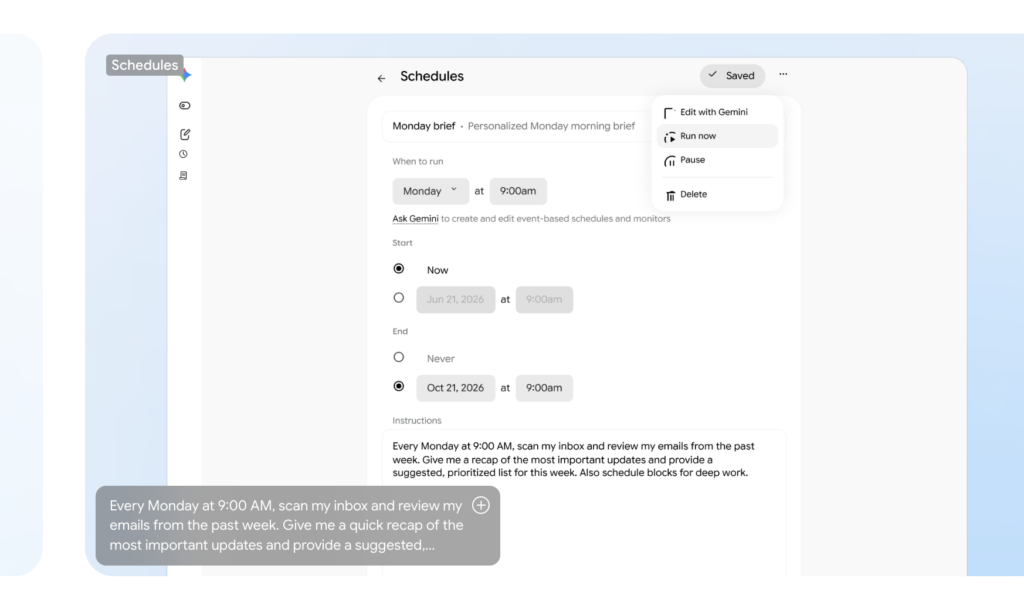
Introducing Gemini Spark: Your personal AI Agent

Jaylene Van Lin | Senior Marketing Strategist
Google introduced Gemini Spark as part of its push toward more proactive, AI-driven experiences. Rather than simply responding to prompts, Spark is designed to actively assist users with planning, researching, and decision-making in the background across the Google ecosystem.
For hotel marketers, Spark could continue reshaping how travelers discover and book stays online. As AI becomes more integrated into trip planning, travelers may spend less time manually searching and more time relying on curated recommendations and streamlined decision-making powered by tools like Spark.
Increased search customization through AI integration

Alex Scharpf | Search Marketing Manager
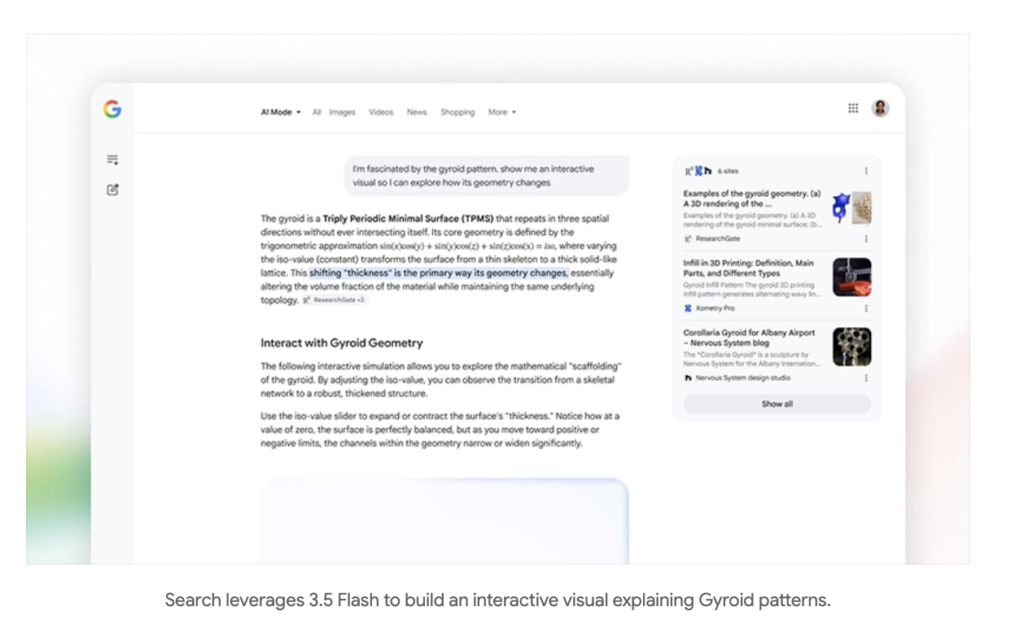
Google’s search bar has been significantly updated, now integrated with their AI model Gemini. AI Mode, AI Overviews, and traditional search have been combined into one search bar, increasing query customization through expanded text inputs, additional search formats including images and videos, and the ability to refine search results after an initial query. As users have more flexibility with their searches, it will be even more important than before to truly understand your core audience, including their preferences on content themes and format, to connect with them in a way that truly resonates in this new, ultra-customizable search experience.
Ask YouTube: A new way to find content

Sophie Hardina | Marketing Specialist
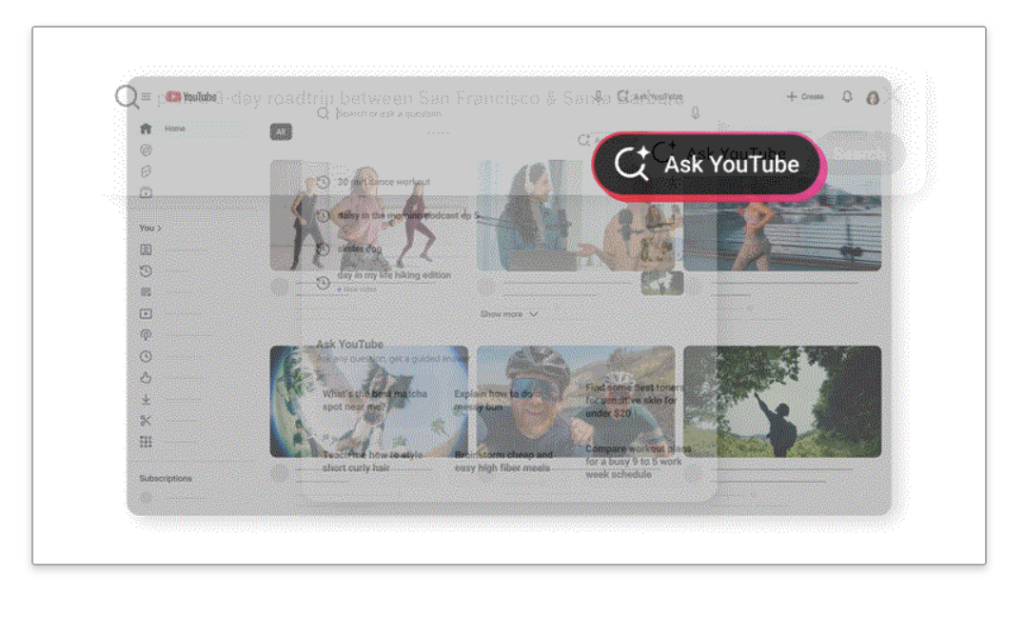
Google introduced Ask YouTube, a feature that reflects the continued shift toward more conversational, AI-powered discovery experiences. Rather than relying solely on traditional keywords, Ask YouTube allows users to ask more nuanced questions and receive curated video recommendations and insights in response. The update supports how search behavior is becoming increasingly intuitive and personalized across platforms. For marketers, it highlights the growing importance of creating video content that answers real questions, delivers clear value, and aligns with user intent beyond traditional SEO strategies. As discovery continues evolving through AI-driven experiences, brands that prioritize helpful, authentic content will be better positioned to appear in these emerging moments.
Importance of SEO best practices

Andie Milton | Search Marketing Specialist
Many of the SEO best practices highlighted at Google Marketing Live 2026 are strategies we are already implementing for our clients. A major theme centered on the growing impact of AI Search and the opportunity for brands to stand out by emphasizing what makes them unique. The presentation highlighted the importance of creating original, high-quality content that provides helpful information for target audiences. Additional key takeaways included the value of sharing firsthand insights, authentic reviews, and exclusive content that can only come directly from your business.
There was also a strong emphasis on investing in well-structured content, maintaining a website that is easy to navigate, and ensuring consistent, accurate information across all digital channels, including your hotel’s website, Google Business Profile, and social media platforms. Vidhya Srinivasan also highlighted SEO practices brands should avoid, such as producing overly-generic content or creating content primarily for bots instead of real users. In today’s AI-driven search landscape, both websites and ads must deliver helpful, relevant, and trustworthy information that genuinely serves user needs.
From branding to bookings: Creative’s new role

Meaghan Reynolds | Marketing Strategist
Google emphasized that creative is no longer just a branding tool, but a core performance driver powered by AI and the evolution of Asset Studio brings this shift to life. As a centralized hub for building and scaling creative, Asset Studio can now interpret marketing briefs, brand guidelines, and website content to instantly generate a range of high-quality assets across formats and themes.
With upcoming integrations like Gemini Omni enabling video creation and built-in A/B testing to quickly identify top performers, creative production is becoming faster, more dynamic, and more directly tied to results. For hotel marketers, this signals a major opportunity to move beyond static imagery and build a more robust, flexible content library, one that can adapt to different traveler intents, from romantic getaways to group escapes, and ultimately drive stronger engagement and bookings across channels.
Demand Gen evolves into a more predictive tool for travel marketers

By Jasmine McLamb, Marketing Specialist
Demand Gen continues to evolve as a powerful way for brands to reach consumers earlier in the decision-making journey, particularly across highly visual platforms like YouTube, Discover, Gmail, and now Google Maps. At Google Marketing Live 2026, Google emphasized how Demand Gen campaigns use Gemini-powered audience modeling to better understand user behavior across Search, YouTube, and Google Maps, helping advertisers predict future consumer interests rather than simply reacting to existing intent. Google also shared that advertisers using Demand Gen alongside YouTube have seen improved ROAS and stronger sales effectiveness.
Several new updates were introduced that could be especially valuable for the travel and hospitality industry. Expanding Demand Gen to Google Maps allows hotels and resorts to reach travelers already researching destinations and experiences, while new product feed integrations on YouTube help create a more seamless path from inspiration to booking. Google also highlighted the impact of creator partnerships, noting stronger conversion performance when creator assets are included in campaigns. Overall, these enhancements position Demand Gen as an increasingly valuable tool for hotel marketers looking to engage travelers earlier in the planning process through immersive and visually driven content.
Gemini 3.5 Flash: The next evolution of AI-powered marketing

Maddie Holifield | Marketing Strategist
Google also introduced Gemini 3.5 Flash, its newest lightweight AI model built for speed, efficiency, and more advanced “agentic” capabilities. Positioned as the default model across Gemini and Search AI experiences, 3.5 Flash is designed to handle more complex tasks, from coding and research to autonomous workflow execution, with faster response times and lower latency. The announcement signals Google’s continued push toward AI that doesn’t just answer questions, but actively assists users and marketers in getting work done.
For marketers, especially in the hotel and hospitality space, this evolution could significantly change how travelers discover and book accommodations online. This update signals a broader shift toward AI-assisted discovery and decision-making, where travelers may increasingly rely on Google’s AI experiences to plan trips, compare hotels, and receive personalized recommendations before ever clicking through to a website.
Find a deeper understanding of your data’s story through Meridian Intelligence in Google Analytics 360

Kaylin Long | Search Marketing Strategist
Google understands that you can’t make informed marketing decisions if you can’t understand the story that your data is telling. To understand your data’s story, you need to have the whole picture from each channel, reliably attributed, clean data from secure signals, and a single-point view to read your data. Google is implementing an agentic AI advisor from Meridian into Google Analytics 360 in order to unify your view of your data and answer questions about it. The intelligence from Meridian, alongside a new cohesive Data Manager API, and your strategic cross-channel marketing strategy, will give you the tools to make pivotal decisions from your brand informed by a deeper understanding of the story your data’s already telling.
Reaching travelers in the moment: Google’s new Maps ad experience

By Cassidy Tiedermann, Marketing Specialist
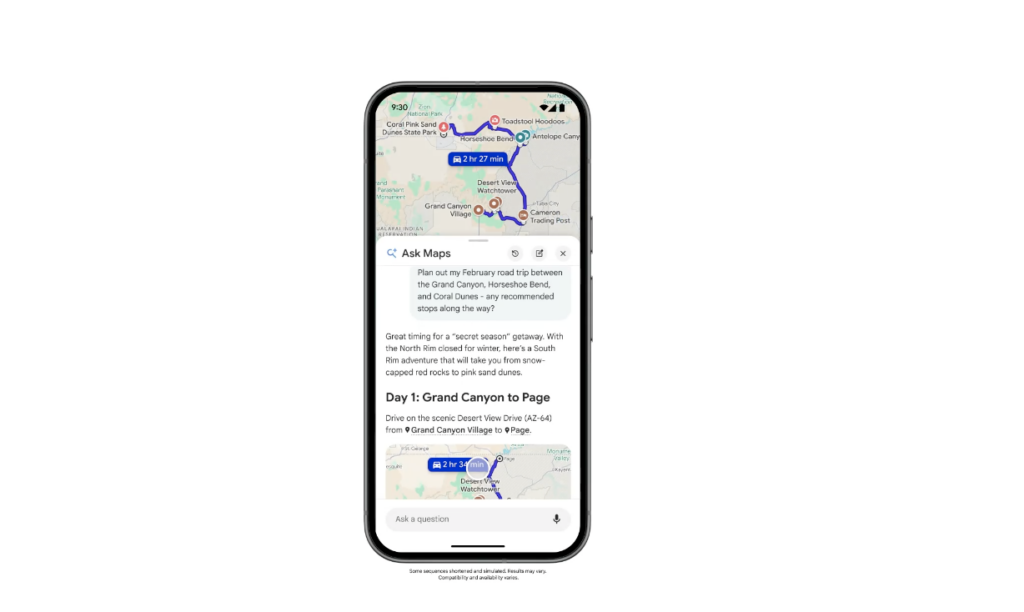
Another exciting announcement from Google was the expansion of ads within Google Maps, signaling a major evolution in how brands can reach consumers during high-intent, real-world moments. Google is continuing to blur the line between discovery and action by introducing more immersive, AI-powered ad experiences directly within Maps results and navigation journeys. For travel and hospitality brands in particular, this creates a significant opportunity to connect with travelers exactly when they’re planning, exploring, or actively deciding where to stay, eat, and visit. As users search for nearby attractions, restaurants, or things to do, hotels now have the ability to surface more prominently within those discovery moments, helping capture demand closer to the point of decision.
For hoteliers, this rollout could become an incredibly valuable addition to the digital marketing mix because it aligns perfectly with modern traveler behavior. Today’s travelers increasingly rely on Google Maps not just for directions, but as a full travel discovery platform. Whether someone is searching for hotels near a convention center, attractions, airports, or walkable entertainment districts, Maps has become a critical part of the booking journey. These new ad placements give hospitality brands another way to influence travelers in-market, increase local visibility, and drive direct engagement at moments when intent is strongest. It also reinforces Google’s larger push toward creating more personalized, context-aware advertising experiences, something that could ultimately help hotels deliver more relevant messaging and stand out in increasingly competitive travel markets.
Frequently asked questions about Google Marketing Live
Google Marketing Live is Google’s annual event where it unveils its newest advertising and marketing products, features, and platform updates. It’s the main moment each year when Google shows marketers and advertisers where its tools are heading, increasingly centered on AI across Search, YouTube, Maps, and its broader ecosystem. The 2026 event reinforced that direction, spotlighting AI-driven discovery and smarter, more dynamic ways to reach consumers.
Several announcements were built for high-intent, visual industries like hospitality. Demand Gen is expanding to Google Maps with Gemini-powered audience modeling so you can reach travelers earlier in the planning journey, new Maps ad placements let your property surface during real-world deciding moments, and Asset Studio can now generate flexible creative tuned to different traveler intents, from romantic getaways to group escapes.
The SEO fundamentals held strong: create original, high-quality content, share firsthand insights and authentic reviews, keep your site easy to navigate, and maintain consistent, accurate information across your website, Google Business Profile, and social channels. Google was equally clear on what to avoid — overly generic content or content built for bots instead of real travelers. In an AI-driven search landscape, helpful and trustworthy wins.