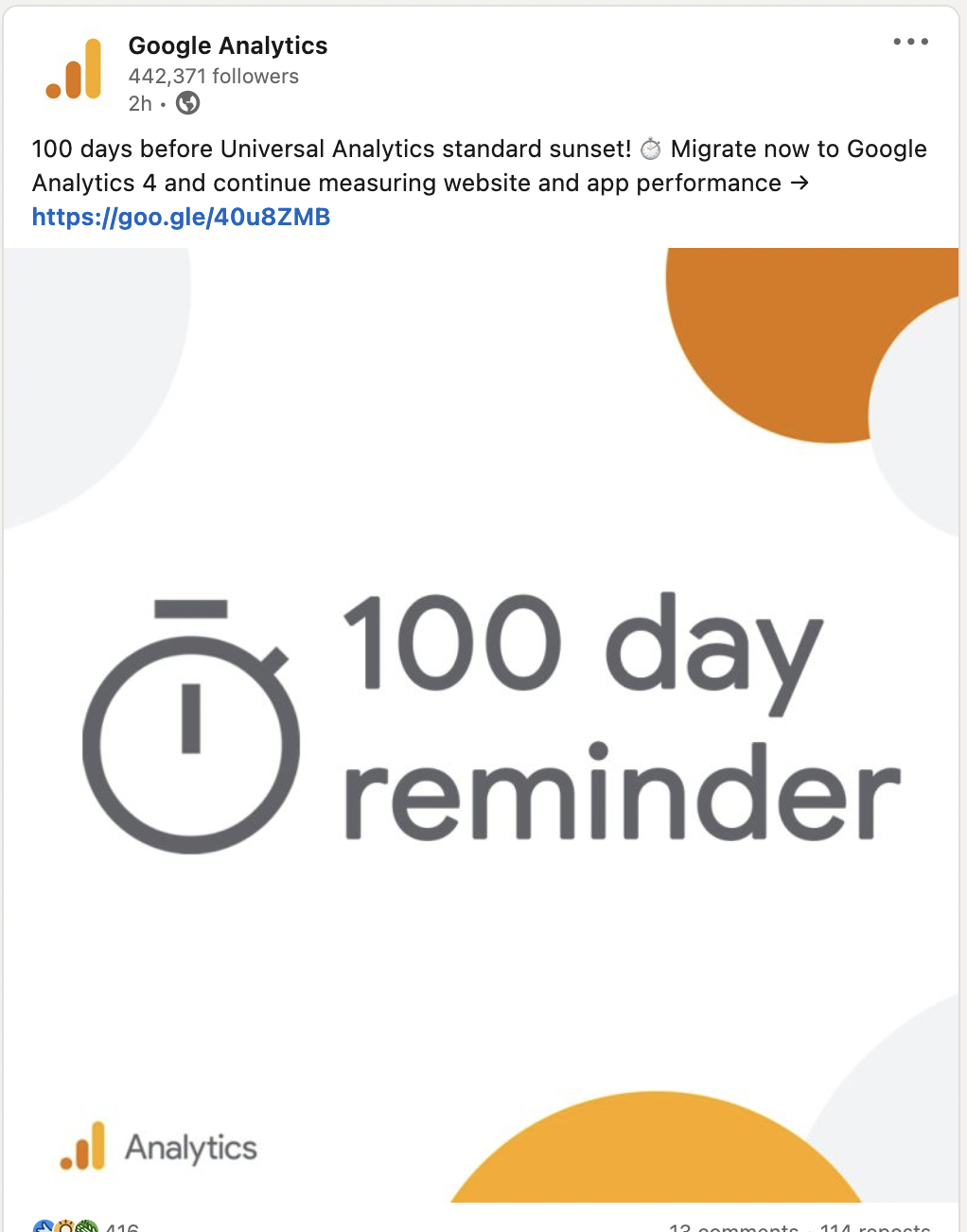
Less than 100 Days Until Google UA Stops Collecting Data - Are You Ready?
On July 1, 2023 Google Universal Analytics will stop collecting data for your website. After that, any historical data within Universal Analytics will only be available for around 6 months (final date TBD by Google). That’s less than 3 months away. Are you ready?
TikTok CEO Goes in Front of Congress Over Security Concerns
The United States government has security concerns with TikTok and in previous months has banned the use of the platform by government run DMOs. This month, the CEO of TikTok went in front of Congress over security issues with the platform. Learn more here.
Instagram Rolling Out New Ad Placement Types
Instagram is rolling out 2 new ad placement types that caught our eye. The first is Reminder Ads, that could be a good option for event or offer reminders and the second is a placement for ads in the search results. Check out the news here.
Meta Rolls Out Paid Verification
Meta has rolled out a new fee based verification service that claims to offer enhanced support and potentially more reach for around $15/month. Is it worth it? The jury is still out and will require more testing.
Microsoft Ads Broad Match Modifier Keywords Now Serving as Broad Match
GA4 continues to evolve it’s capabilities, this time with a long awaited custom channel group option. Up until now, GA4 accounts were limited to the platform’s decided grouping by channel for each user session source - which did not match up with UA groupings at all. Now you have the power to organize your traffic sources into your preferred channel groupings. Read more here.
GPT-4 Launches
The latest in the AI race, OpenAI’s GPT-4 launched in March. In order to access the latest version, you must be signed up for the ChatGPT plus subscription service. You can also play around with it when using Bing Chat. Read a breakdown of everything you need to know here.
8. Google Ads Vs Google Hotel Ads: Do You Really Need Both? If you’ve been a loyal Google paid search advertiser all these years and you’re not running Google Hotel Ads via metasearch advertising then you’re losing out on a significant portion of the Google hotel search ecosystem - one that could be driving a substantial amount of direct revenue for your hotel. Learn more here.
Digital Marketing 101 Series: What is SEO & Paid Search?
SEO and paid search can be complex and difficult to understand. In this article, we will cover the differences and similarities between the two.
Let's first get an understanding of what each of these terms means.
What is SEO?
SEO (search engine optimization) is used to increase a website's page ranking (visibility) and conversion value within the organic listings in the search engine results page. Having your website rank high within the search engine results page doesn't come easy. However, as there are a wide variety of competitor websites that are also manipulating components that help to improve page rank. Moz explained how this is done in their "Mozlow's Hierarchy of SEO Needs." In it, they explain that:
1. Crawl accessibility is the most important because if your website can't be indexed, then it can't be seen by Google or searchers.
2. You must have relevant, accurate & high-quality content on your website.
3. You should optimize your content with high search volume keywords that are accurate to what your website is about.
4. The website should offer a great user experience, from page load speed to ease of use.
5. Your website should include content that people will share or use in their own posts, websites, etc. This helps to produce links to your website.
6. You should optimize your page titles, meta descriptions, h-tags & more with specific keywords that have a decent amount of search volume that are relevant to what is on the web page.
7. Last are structured snippets. These allow you to stand out in the search engine results page.
What is Paid Search Marketing?
Paid search marketing ads use keywords to target a specific search intent but are paid for by the companies that are posting the ads. These ads are composed of carefully crafted headlines, 90 character descriptions & ad extensions.
What are the differences between SEO & Paid Search?
Now let's discuss the differences between the two areas of digital marketing.
Where Do Organic Listings and Paid Search Ads Appear on the SERP?
The first major difference is where and how each of the listings shows up on the search engine results page. Organic listings appear below the ad section on the search engine results page. Where they show up after the ads are based on a variety of ranking signals that search engines use within their algorithms. An ideal organic listing looks like this:
Paid search ads will normally appear in the top 3-4 positions on the page, if there is sufficient competition to warrant that many positions, and the bottom 2-3 positions. The ads rank (position on the page) and number of times that it is shown are determined by Google through something called quality score, which you can learn more about here, and how much each advertiser is willing to bid on the keywords. An ideal ad looks like this:
How Long Does it Take To See Performance From SEO and Paid Search?
Another major difference is the amount of time it takes to see an impact on website performance.
It can take 4-6 months or more after implementing SEO changes to see an impact on performance, but even this can't be guaranteed. While no one knows exactly how Google's algorithm works, we know that Google has to discover your new page content and analyze numerous other ranking signals to understand your page's authority on the topic versus all over pages on the web. This process takes time, and even after all of that, it can still be hard to see results since there are so many outside factors to take into account, such as competition, property changes, consumer reviews, and more.
On the other hand, paid search ads can show results the moment that you create them, just as long as there is a budget in your account. This is because ads are instant. They can instantly appear at the top of the search engine results page, are instantly accessible, and accurately track impressions, clicks, etc., back to the keyword that triggered the ad.
What are the similarities between SEO & Paid Search?
On-Page SEO & Paid Search Ads Share Messaging Components
SEO elements and paid search ads share similarities as well as differences when it comes to the actual content. A similarity between the two is that they should highlight key competitive advantages that your property has over its competition. This could include anything from an award-winning spa experience to the hotel's location. Maintaining a consistent, unified message across all channels is an important marketing strategy.
SEO & Paid Search Can Share Keyword Focus
Each of these marketing methods uses the same keywords, which are aimed at directing searchers to your website. Keywords used in Google Ads are implemented through headlines and descriptions that give you results almost instantly. Keywords used in SEO are implemented through page titles, meta descriptions, alt tags, etc., and as far as we know can take up to 6 months to show an impact on performance. This is where keywords from Google Ads can be helpful to your SEO efforts. You can test keywords in your ads, see how they perform and then use the best-performing keywords in your SEO. By doing this, you will also begin to match your keyword focuses on your page to that of your ads which improve your landing page experience and ad relevance. This, in turn, improves your quality score and helps you achieve a lower CPC.
Conclusion
Paid Search and SEO are two search engine marketing methods used to produce visibility for a given company's website by catching its audience's attention. Still, they also show up in different locations on the page and are monitored differently in terms of performance. Using these marketing methods hand in hand is a powerful tool, though, and should be used in order to improve a website's performance.
[Webinar Recording] Hotel Marketing in an Economic Downturn
Past is prologue. Economic downturns create hardship for a majority of the hospitality industry, but a select few operators use these periods and targeted, smart marketing to create long-term value for their hotels.
As a result, these sophisticated operators experience less negative impact during the downturn, they recover far quicker than their competitors, and they sustain those gains for years to come.
In this webinar we will cover:
Is an economic downturn imminent?
The 3 paths for combating this cycle
The 2 trends dictating the future
A step-by-step digital marketing playbook so your property comes out on top
If a customer asked what your hotel’s story was, would your response include things such as a number of accolades, the year the hotel was built, or a number of high-profile guests?
Or, does your hotel’s story incorporate the customers that visit you every day, how they find you, and how you make their vacation unforgettable?
For years, our company’s stories have involved details about our history, who makes the decisions, and the thread count of our sheets. As community marketing changes to become more and more integral to a brand’s success, redefining our stories and the way we present them transforms alongside it.
First, we’ll start with redefining the focus of your story. Instead of placing your hotel at the center of the story, we’ll start with the customer. When we start with the customer, we begin to redefine the way we write facebook posts, talk to guests, and talk internally about the experiences we provide customers. By putting the customer at the center of your story, customers begin to see that your property cares about them and their experience first, over your own long standing history. Who is your customer? Why do they really visit your hotel?
Next, any good story involves a journey, or a problem to fix. In the “Bee Movie”, that problem was the theft of honey by humans. For your hotel, the challenge might be to find a secluded place that doesn’t feel all that different from home, even when your guest is all the way across the country from family. When defining your customer’s journey, think about the stories you’ve heard from customers, the things that have pleasantly surprised them, and the things that most often get talked about in reviews. These things are often insights into the true reason a customer visited you, and what problem you solved for them.
Finally, your main character needs a way to solve their problem. That’s where you and your brand come in - as the guide that shows them the way to where they need to go. As a guide, it’s your job to prove that you have the skills and experience to take the customer to the place they want to end up. Proving this reputability comes in the form of all the things we touched on in the first place – things like years of service, your fundamental advantages (LTSCAs), and accolades.
Through your expertise, you can now provide your customers with the roadmap to get to where they want to go, via booking a room at your hotel, calling to speak with reservation staff, or begin to browse room types and amenities. Providing this pathway gives your customers a clear direction to solve the problems they came to your hotel to fix in the first place – but now they feel as if they’re the center of your story and have a guide to take them to where they want to be.
How does this actually look in practice? It can be as simple as a rearranging of the words and concepts you use. Consider this example:
“Built in 1903 and a winner of multiple awards, our hotel is uniquely situated to provide a historic, yet luxurious getaway where you will feel your needs are not just met, but exceeded.”
“On your journey to find a hotel where your needs are not just met, but exceeded, our hotel’s 100-year history and reputation for service make us your only option for the getaway you truly deserve.”
Not only does this change of mind give a new lens to write material externally, but it also gives us an opportunity to redefine the way we talk about our customers and story internally as well. When customer-facing staff understand more about your brand’s story through the lens of the customer and your role in helping them arrive at their destination, it can help change the way our employees see their role.
By putting the customer first, we prioritize our connection with them and build long-lasting relationships that form the foundation of our community and drive our growth.
Not sure where you should start to define your hotel’s story? GCommerce is standing by to help guide you through this journey.
Have you been wondering about how to start advertising on TikTok and what your options are?
If so, then our recently released ebook A Crash Course To TikTok Ads, is just what you need. Inside, you'll find comprehensive answers to your questions.
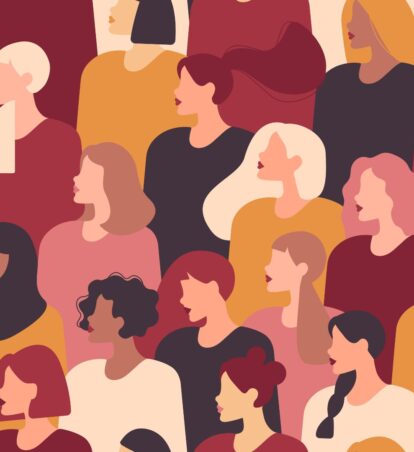
March is International Women’s Month, with International Women’s Day being celebrated on March 8th. With a company makeup where 51% identify as female and are led by numerous women, March is an important month for us. To celebrate the occasion, we collaborated with four female leaders in the company to learn from their experiences and perspectives on what being a female leader is all about.
Lindley Cotton, President
What are the benefits of having women in leadership?
Is there a downside? 🙂
For a long time, women have had to walk the very fine line of showing confidence, but still being deferential to the men in the room. Women have had to put up with so much and navigate the most impossible situations - sexism, objectification, imposter syndrome, working mom guilt - and frankly, it’s only made us more badass. Women’s voices and leadership are so incredibly critical to an organization’s success. From seeing a business challenge through a different lens to being highly empathetic leaders, women should have more seats at the table.
Representation is another benefit. We need more women at the top. Not only so women can do what they do best, but also to encourage young women to pursue their dreams and aspirations. Women just starting out in their careers want to see someone like them in C-suite positions. It’s inspiring and it’s a catalyst for innovation.
What advice would you give to the next generation of female leaders?
You don’t have to know everything. Try to approach every situation with curiosity and an open mind. Many women struggle with imposter syndrome (myself included) and you just have to remember that being a leader isn’t about being all-knowing. You should be actively seeking out opportunities to grow and learn every day, which will help you become a more emphatic and well-rounded leader in the future.
Also, seek out mentors. I’ve had several over the years all of which helped me grow different skill sets. A lot of times you naturally find mentors but don’t be afraid to speak up and ask someone to help coach you if you know they have expertise in an area that you’re looking to grow.
Have you ever felt imposter syndrome and how do you overcome it?
Oh yes. Between becoming president of a company at 35 years old and being a female who is following in the footsteps of some really brilliant, talented men, I have felt imposter syndrome many times. “Can I do what they did?” and “Is my best good enough?” are questions I’ve asked myself over and over the last few years. What I always eventually come back to is that I don’t have to do what anyone else did previously. I simply have to lead in a way that is authentic to me. I play into my own strengths and chip away at my weaknesses.
And I won’t always get it right, but that’s okay because being a leader isn’t about always making the right decisions. To me, leadership is about putting the best people around you and activating all of their talents in order to reach your goals. You can’t do it alone and so when I start to doubt myself I lean into my team and remember that, together, we’ve got this.
What has been the most rewarding part of being a woman in leadership?
Promoting the growth of others around me. I’ve been so fortunate to have a community of mentors and friends that pushed me, coached me, and helped me get to where I am today that I cherish the moments when I get to pay that forward. Being in a leadership role isn’t a walk in the park - there can be some really dark, challenging days. And then you’ll have a 1-1 with a team member and you’ll see all of their passion and hunger for growth and it reignites your own passion. You realize “I get to help this individual reach their goals and achieve their dreams.” Holy cow, what an honor. Every day I have the opportunity to positively impact someone’s career and it really is a privilege. There is nothing more rewarding than watching a team member hit their stride.
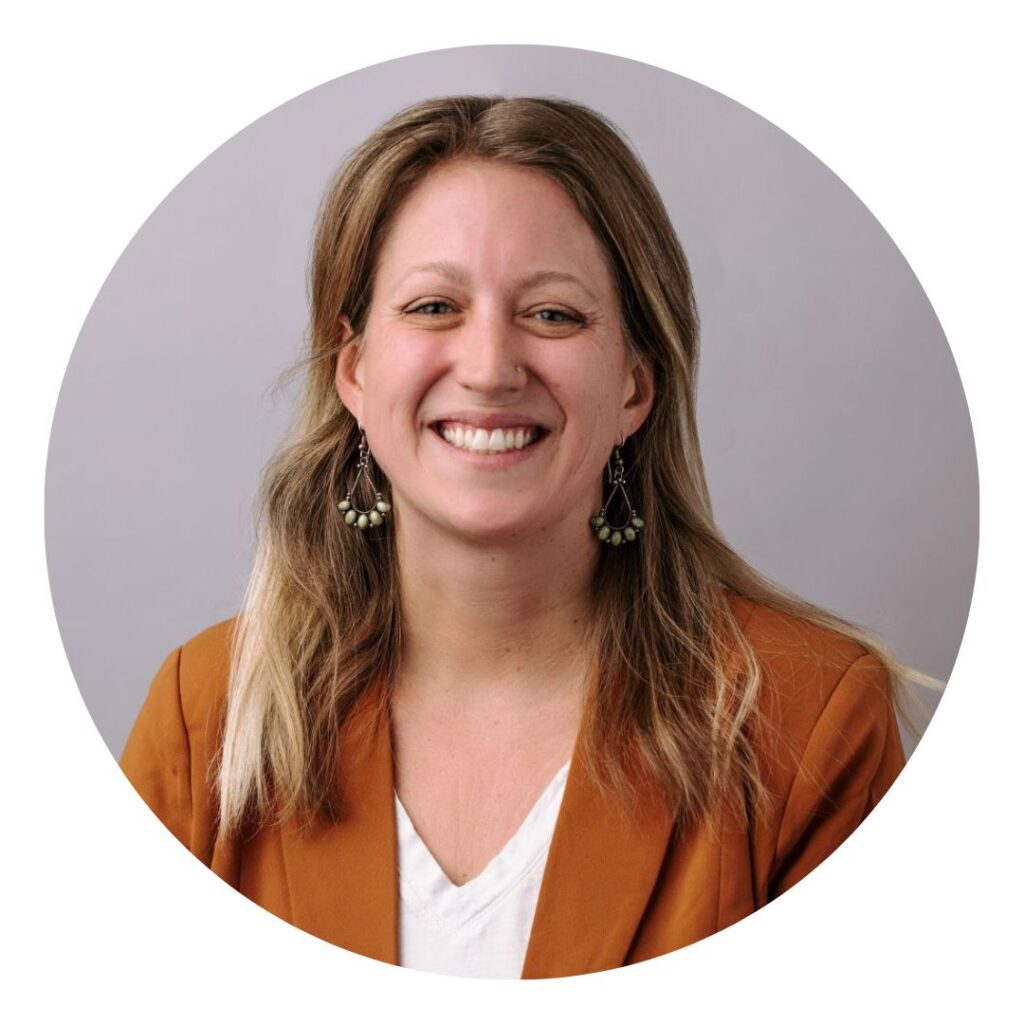
Lisa McGivney, Director of Marketing
How did you get started in your career to land where you are today?
I graduated from the University of Miami in May of 2007 and entered the job search during a really tough time at the start of a major recession. It took me a while to find my first entry-level role. Fortunately, another amazing female ally in my life, my best friend Marissa Palmer, had just moved to Park City, Utah from Miami and reached out to me regarding a marketing specialist role at an agency she was working for, which was GCommerce. Our Founder Scott van Hartesvelt interviewed me over the phone, offered me the role and I loaded all of my stuff in my car and drove across the country from Miami to Utah in the dead of winter. A quick shout out to Scott (and all hiring managers) who give a chance to people just starting out/with no experience.
How do you balance your career, personal life, and passions?
I think this is one of the hardest things to do well. As a mom of two young girls with a demanding leadership role, it’s easy to put yourself last. It’s also easy to feel guilty no matter which part you’re prioritizing at the time. Luckily I work at a company that has always championed a work/life balance, encouraging taking time off and traveling (we work in travel, so I think we all share that passion). I also have a great partner at home that encourages/pushes me to prioritize getting out on the slopes and finding time for myself. Setting boundaries and not letting work take over time set aside for your personal life and passions is really important.
Have you ever felt imposter syndrome and how do you overcome it?
Yes! I would say imposter syndrome is something I continue to battle and I don’t think it will ever go away completely. Over the years I think I’ve tried to overcompensate or overcome it by pushing myself to always be learning, and pushing myself to be the best at what I do. Even then, it doesn’t solve those feelings. As I’ve progressed in my career, at every level I still feel doubt in myself. Luckily I’ve had people in my personal and professional life that continue to lift me up and have believed in me even when I didn’t believe in myself. Over the years I’ve come to realize that everyone out there is just “winging it” and it’s okay not to know everything - no one does and just because you don’t know something (yet) doesn’t mean you don’t deserve to be where you are today.
What advice would you give to the next generation of female leaders?
The advice I would give to the next generation of female leaders is to be yourself and to protect the boundaries that you feel are important. Don’t be afraid to speak up for yourself and advocate for others. This has taken me the longest to learn and become comfortable with. I would also say, if you’re in the right place and working for the right people then they will respect your boundaries, celebrate your successes, and lift you up to your highest potential. I was lucky enough to find that right out of college, at GCommerce. If you haven’t found that place yet, don’t settle - keep searching. The right company/culture fit is really important and you shouldn’t have to put up with a place that doesn’t value you.
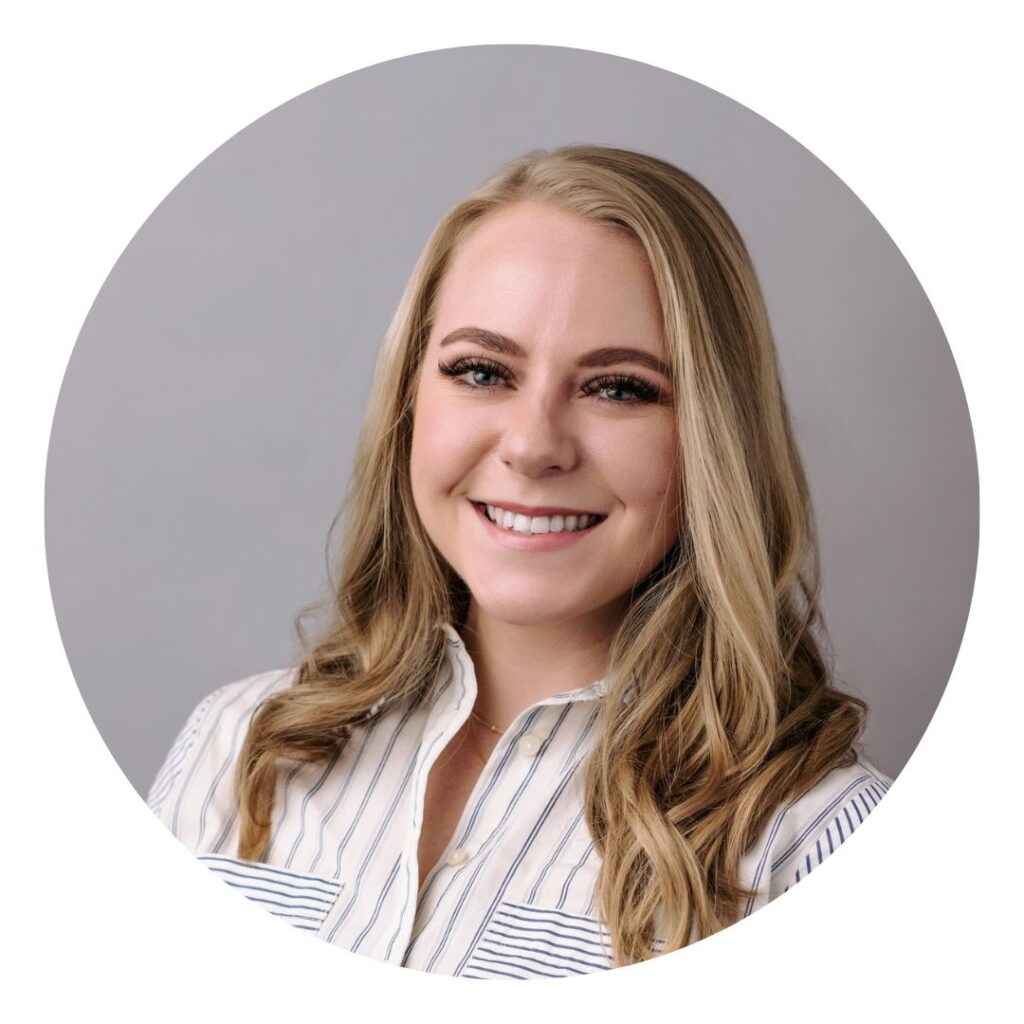
Erin Fischer, Marketing Manager
Did you have a female mentor at some point in your career? How important do you think female mentorship is?
I’ve had several female mentors over the years, and they’ve all impacted and shaped my life in different ways. My first mentor was Amy McNeill. She hired me as her summer intern when I was in college and completely took me under her wing from day one. Because of her, I had a solid foundation in marketing after that summer, a job throughout my senior year, and a permanent role when I graduated. She championed me both at our old company and new, as she was the one who later pulled me into GCommerce after we went our separate ways for a couple of years. Amy had me join important meetings, sit in on calls to learn the ropes, and always gave me a seat at the table. She definitely became a person I felt safe coming to with anything and I’m really grateful that my first professional experience out of college, and for many years after, was with someone who gave me every opportunity to grow and prove myself.
Two other female mentors in my life were here at GCommerce as well, Lindley Cotton and Lisa McGivney. Lindley was my first boss at GCommerce, and the first woman I’d personally worked with to be in such a high leadership position. That kind of thing really stands out to someone who came from two previous “boy’s club” companies. Later during some company transitions I came to report to Lisa when she took over the marketing department. The first thing I admired about her was how incredibly smart she is. It always blows me away how much knowledge she possesses and how willing she is to share it and help others succeed. Throughout our relationship over the years, she’s driven me to become a more thoughtful leader and has been an incredible person to work with and look up to.
Female mentorship might seem small, but often it gives other women the start that their career needs. I owe everything to the women who have built me up in my life and it’s my hope that I can now pay it forward and help champion other women.
Have you ever felt imposter syndrome and how do you overcome it?
Only every day! In fact, I dare you to find any woman in any professional setting that doesn’t experience imposter syndrome. It’s a tough thing to go through periods of doubt in your career. The thoughts of “Am I good enough?” “Did I really earn this?” “Am I even qualified to make these decisions?” can be incredibly daunting and it seems that the thoughts only get stronger as one progresses in their career.
However, I think it’s important to remember that we wouldn’t be where we are today if we weren’t qualified. We as women work hard(er) to get where we are in life, both professionally and personally. When these doubts start to creep up I always remind myself that I earned my spot. I’ve worked to get here and will continue to do the work to move forward. Sometimes it’s easier said than done of course, in which case you take it one day at a time. No one will ever be perfect, and sometimes we get it wrong. In fact, how can we grow if we don’t get it wrong from time to time? Imposter syndrome will always be there, but building up your own self-confidence is the best weapon we have available.
What is the biggest challenge you’ve personally faced as a woman in leadership? How did you overcome it?
Everyone faces challenges in their professional careers, but as women, we also face a unique set of challenges and obstacles that still sadly exist, even in 2023. It’s unfortunate to say that over the years (even before I was in leadership) I’ve had to experience multiple bouts of patronizing, overt sexism, and an array of uncomfortable and even humiliating situations. Yet I’m still here, and if it’s taught me anything it’s that there is still so much work to be done. These situations can make you feel so small and unworthy and oftentimes had me doubt if I was even on the right path. But each time my skin got thicker and my resolve stronger. I don’t want the future generations to endure these types of challenges, so I’ll continue to stand up for myself and others and understand that this work is still relevant and important.
Of course, I’d be remiss to not mention that despite some lackluster experiences, the majority of men I’ve gotten to work with professionally have been nothing but supportive and uplifting in every way a colleague should be. I’ve had male mentors champion me in the same way my female ones have, whether it was standing up for me in times of need or simply having my back. The world is not a hopeless place and I choose to believe in humanity.
What are the benefits of having women in leadership?
I think through all of our stories listed above it appears very clearly how important it is to have women in leadership. Women truly build each other up and create common ground for the challenges we can face in the workplace. They can oftentimes provide a different perspective rooted in the balancing act and understand the different facets of issues people face daily.
But more than that, I think the biggest benefit to having women in leadership from my personal experiences is the hope it brings. Seeing women in leadership roles will automatically inspire the next generations and show that it’s possible. Representation matters, and not just for gender, but for all minorities. As I said earlier, the smallest things can sometimes have the biggest impacts.
How did you get started in your career to land where you are today?
In the Spring of 2014, me and 3 of my best girlfriends packed our bags and headed from Flagstaff, Arizona to Park City, Utah. We had just graduated from Northern Arizona University with a Bachelor's Degree in Hospitality Management and were eager to start working. We all landed our first “big girl jobs” at the iconic Forbes 5-Star Montage Hotel in Deer Valley. We were terrified to leave what had become home at NAU, but rallied together and we haven’t looked back since! I truly would not have made it through my first winter (or any winter at this point) without these resilient ladies by my side.
As you can imagine, hotel operations is a rewarding, yet grueling career. This led me to find GCommerce, a company where I could still work with hotels, and fulfill my passion for hospitality and travel while sustaining a healthy work-life balance. I had zero digital marketing experience and I will be forever grateful to Amy McNeil and Lindley Cotton for taking a chance on me and fostering growth in my marketing career.
Did you have a female mentor at some point in your career?
It was at Montage where I had the pleasure of meeting and working with my first female mentor, Jennifer Maloney. Jennifer created a welcoming work environment where her empathy and resilience taught me to develop a thick skin, a killer work ethic, and confidence, which was so important as I was just starting my career.
Jennifer taught me so many lessons, but most importantly, because of her, I learned to speak up for myself and what is right, push for a seat at the table, and advocate for others.
I am now extremely lucky to say that I am surrounded by incredibly smart and hard-working females every day, not only at GCommerce, but with the clients, I work with, too. Shoutout to the badass ladies of Boston Harbor Hotel, Balboa Bay Resort & The Hermitage Hotel who have completely female-led marketing teams!
What has been the most rewarding part of being a woman in leadership?
Although I am still settling into my new role as Operations Supervisor, I am excited for the opportunity to make a positive impact on my team and the entire organization. I look forward to mentoring and empowering the incredibly talented women on my teams and continuing to break through gender barriers.
As you can see the women of GCommerce work extremely hard to not only support each other and every team member but also the future generations that will come next. Thank you to Lindley, Lisa, Erin, and Cathryn for providing such insightful commentary and helping to navigate the future of women in business.