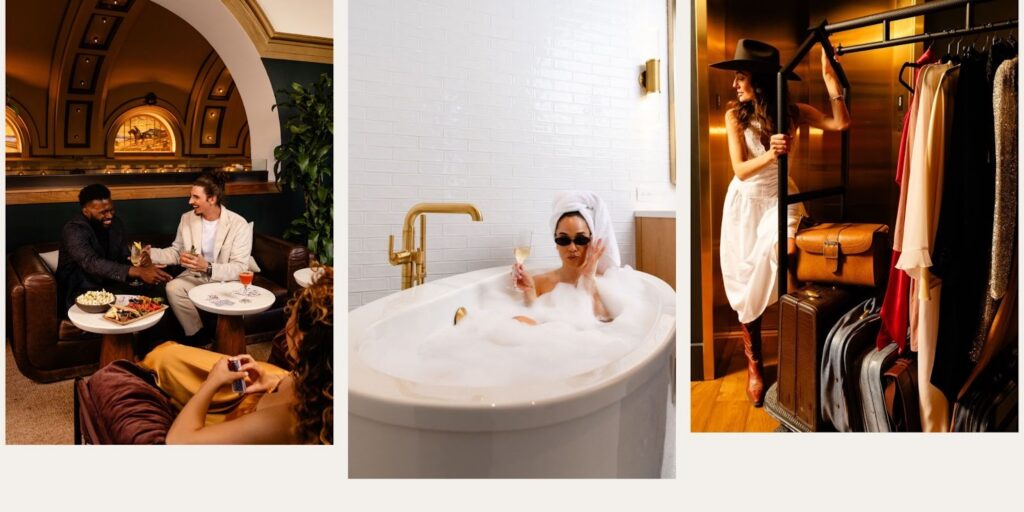
Organic social media best practices for 2026: How brands can win with consistency, quality, and authentic engagement
As organic social continues to evolve, one thing remains true. Hotels that show up consistently and authentically build stronger communities, deeper loyalty, and more meaningful long-term customer relationships. Whether you are building awareness, nurturing current audiences, or carving out your presence in niche communities, a strategic approach will elevate your digital ecosystem. Read more on tactic tips to improve your organic presence.
YouTube testing new search experience, Ask YouTube
Google announced that a new feature is being tested for YouTube premium members 18+ in the US who are opted in called “Ask YouTube.” This new feature likes users diving deeper into topics of interest in a more interactive way. Based on questions like “help me plan a 3-day road trip from San Francisco to Santa Barbara” will pull up structured itineraries in states of a list of videos, bringing together a mix of videos, shorts, and informative text. Why does this matter? AI search continues to creep into every facet of search across Google, and showcases just another way your property could be seen on this social channel. Read more.
AEO vs GEO for hotels and resorts: What’s the difference?
AI is reshaping how travelers discover hotels and resorts. Traditional search rankings still matter, but AI-powered answer engines and generative platforms are changing how visibility works. For hospitality marketing leaders focused on increasing direct bookings, understanding the difference between AEO and GEO is no longer optional. It is foundational. We’ve put together a comprehensive guide on how answer engine optimization and generative engine optimization differ and can be applied together in tandem. Learn more.
[Ebook] Designing emails for Dark Mode
Dark mode is no longer a niche preference on your browser; it’s more commonly a default experience for a growing share of users, especially on mobile. In fact, around 40% of email opens now happen in dark mode. This means if you aren’t incorporating design choices aimed to function in dark mark, you are serving a large chunk of your database a poor user experience from the moment they click open. Learn more about how to design emails for dark mode and what to look out for here.
From chaos to clarity: The new era of hospitality data transparency
Hotels have never had more data at their disposal. PMS reports, CRS exports, Google Ads dashboards, OTA extranets, the list goes on. But more data hasn’t meant more clarity. Instead, it’s created chaos. The solution? GCommerce Solutions’ Roll-Up APIs are purpose-built for the complexity of hospitality data. The result? A single, real-time source of truth. Read more here.
LinkedIn is rewriting the rules of visibility
LinkedIn is shifting from a purely social platform to a key source for AI-driven discovery. As tools like ChatGPT increasingly cite LinkedIn content, experts in the field like AJ Wilcox have seen AI referrals generate 30–40% of leads, making optimization for both humans and AI essential. Short-form posts still drive immediate engagement but tend to fade away within days, while long-form content (like newsletter articles) remains accessible to AI indefinitely. AJ notes that marketers should prioritize clear, audience-focused writing and create verifiable, trustworthy content. Meanwhile, LinkedIn’s evolving ad tools and reduced tolerance for automation signal a broader shift toward authentic, high-quality engagement. Read more here.
How hotel groups can unlock portfolio-level benchmarking
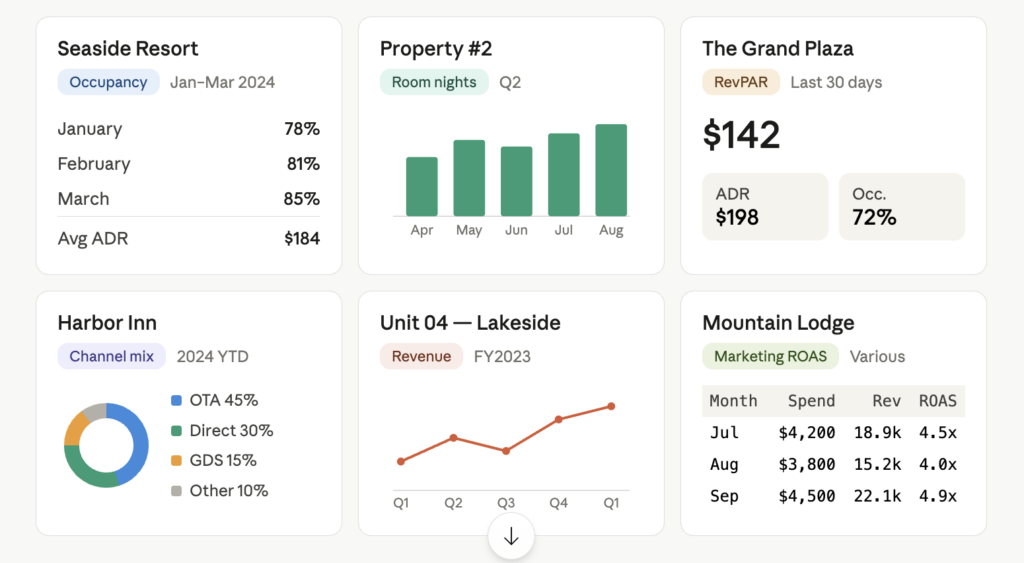
Hotel ownership groups and asset managers are awash in data. Every property produces reports on occupancy, bookings, marketing, and revenue. But because each property tracks and reports differently, it’s nearly impossible to compare results in a clean, consistent way.
The reality is that most reporting still happens at the property level. While useful, this creates blind spots when owners need to see the big picture.
Why portfolio benchmarking matters
Portfolio-level benchmarking changes the conversation from individual performance to collective insight. With a unified rollup, owners can:
Spot outliers — Identify top performers and struggling properties instantly.
Compare consistently — Measure ADR, RevPAR, ROAS, and direct booking share apples-to-apples.
Reallocate resources — Direct capital, staffing, or marketing investment where it will drive the greatest impact.
Build accountability — Ensure each property is held to consistent benchmarks, not arbitrary local standards.
A practical example
Imagine a 10-property portfolio. Eight hotels are delivering a healthy marketing ROAS, but two are significantly underperforming. With rollup benchmarking, those underperformers don’t get hidden in averages — they’re flagged for immediate attention. Owners can investigate if it’s a budget issue, a market dynamic, or an operational gap.
Meanwhile, standout properties become models of best practice. If one property is generating exceptional direct bookings, owners can replicate that approach across the portfolio.
From reactive to proactive leadership
With portfolio-level data, ownership groups move from reactive reporting to proactive strategy. Decisions about where to invest, where to intervene, and how to grow are backed by transparency.
For hotel groups, the future is clear: portfolio-level benchmarking is no longer optional. It’s the foundation of profitable growth.
Stop guessing. Start knowing.
Managing performance across multiple properties and channels shouldn't require hours of manual reporting or a tolerance for blind spots. GCommerce Rollup APIs give hotel operators and technology partners a single, unified view of their data: clean, structured, and ready to act on.
The Multi-Property Rollup API aggregates performance across your entire portfolio, so you can compare results by region, brand, or management group, all in one place. The Channel Rollup API brings paid search, metasearch, display, and social into a single schema, making it easy to evaluate true ROI and spot budget shifts across every media type.
Both APIs connect directly to the BI tools and dashboards you already use, backed by real-time endpoints, normalized data models, and two decades of hospitality data expertise. Integrate once. Scale everywhere.
Contact us todayto get started with your portfolio-level benchmarking.
Frequently asked questions about portfolio-level benchmarking
What is portfolio-level benchmarking for hotels?
Portfolio-level benchmarking is the practice of rolling up performance data from every property in a hotel group into a single, standardized view. Instead of reading each hotel’s report in isolation, owners and asset managers can compare metrics like ADR, RevPAR, ROAS, and direct booking share on a consistent, apples-to-apples basis. This turns a stack of disconnected property reports into one clear picture of how the whole portfolio is performing.
Why isn't property-level reporting enough on its own?
Property-level reporting is useful for day-to-day management, but it creates blind spots at the ownership level because each hotel tends to track and format its data differently. One property might report occupancy in a table while another leads with RevPAR or only tracks channel mix, often across different date ranges. That inconsistency makes true comparison nearly impossible and lets underperformers hide inside portfolio averages until the problem is already costing money.
Which metrics should hotel groups benchmark across their portfolio?
Dark mode is no longer a niche preference. It’s a default experience for a growing share of users, especially on mobile. 📲 In fact, around 40% of email opens now happen in dark mode.
But here’s the challenge:
Your email doesn’t render the same across inboxes
Some platforms partially invert colors
Others completely transform your design
The result? Broken experiences at the exact moment your audience is ready to engage. 💔
Learn how to design emails for dark mode. Avoid common pitfalls, improve readability, and boost engagement in our full EBook. 👈
AEO vs GEO for hotels and resorts: What’s the difference?
AI is reshaping how travelers discover hotels and resorts. Traditional search rankings still matter, but AI-powered answer engines and generative platforms are changing how visibility works.
For hospitality marketing leaders focused on increasing direct bookings, understanding the difference between AEO and GEO is no longer optional. It is foundational.
This guide explains how answer engine optimization and generative engine optimization differ, how they connect to hotel metasearch and Google hotel ads, and how hotels and resorts can apply both strategies without overcomplicating their tech stack.
What is AEO for hotels and resorts?
Answer engine optimization, or AEO, is the practice of structuring content so AI-powered answer engines can quickly interpret and surface it in direct responses.
When a traveler asks, “Which hotels in Denver have rooftop pools?” an AI tool scans structured, trusted sources to provide a concise answer. AEO ensures your property’s content is clear, factual, and formatted in a way that increases the likelihood of being referenced.
For hotels and resorts, AEO focuses on:
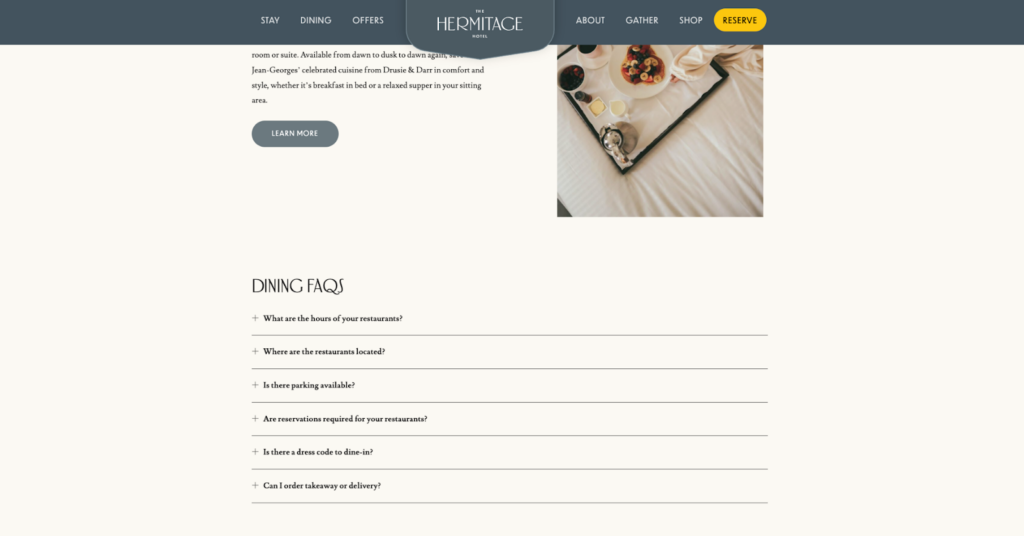
Clear FAQ sections
Structured property details and amenities
Consistent descriptions across platforms
Accurate location and policy information
AEO supports hospitality marketing by improving visibility in conversational and voice-based search experiences before the traveler ever clicks a traditional result.
What is GEO for hotels and resorts?
Generative engine optimization, or GEO, focuses on how AI models synthesize and regenerate information about your property.
Instead of pulling a short answer, generative engines create narrative responses such as:
“Top boutique hotels in Austin for couples include properties known for walkable locations, spa amenities, and curated dining experiences.”
GEO ensures your property’s value proposition, positioning, and differentiators are clearly written so generative AI tools can accurately represent them.
For hotels and resorts, GEO emphasizes:
Clear positioning statements
Context-rich descriptions
Defined audience segments
Structured storytelling grounded in factual data
GEO extends traditional SEO into AI-generated environments where content is summarized, blended, and rephrased.
AEO vs GEO: What is the core difference?
The difference comes down to retrieval vs regeneration
AEO helps AI retrieve and display factual answers
GEO helps AI generate accurate, narrative summaries
AEO supports discoverability in direct answer formats. GEO shapes how your property is described in broader AI-generated recommendations.
Both influence awareness. Both shape perception. And both ultimately support direct bookings and AI search visibility when executed strategically.
Why AEO and GEO matter for direct bookings
Direct bookings depend on visibility, trust, and clarity. AI-driven discovery now plays a role in all three.
When your property appears in AI-generated answers:
Travelers gain confidence before comparing rates
Branded search demand increases
Hotel metasearch performance strengthens
Google hotel ads benefit from improved engagement signals
AEO and GEO do not replace hotel metasearch or paid search. They influence the demand that later converts through those channels.
For hotels and resorts working with a hospitality marketing agency or digital marketing agency, integrating AI visibility strategies into broader hospitality marketing plans ensures alignment between discovery and conversion.
How AEO connects to hotel metasearch and Google hotel ads
AEO operates at the top of the funnel. Hotel metasearch and Google hotel ads operate closer to conversion.
When AI tools confidently surface your property:
Branded search demand increases
Travelers search by property name
Hotel metasearch listings receive higher intent traffic
Google hotel ads capture conversion-ready users
The impact is indirect but measurable. Improved branded demand and engagement signals strengthen overall channel efficiency.
This is where data becomes critical. Centralized performance data enables hotels and resorts to connect AI-driven visibility with downstream revenue outcomes.
How GEO strengthens hospitality marketing strategy
GEO ensures that when AI tools summarize travel options, your property’s positioning remains accurate.
Without GEO:
AI may default to third-party descriptions
Outdated OTA copy may shape perception
Differentiators may be diluted
With GEO:
Your value proposition remains intact
Amenities and experiences are clearly represented
Audience targeting aligns with traveler intent
For a marketing agency for hotels and resorts, GEO becomes an extension of brand governance in AI environments.
Do hotels need separate teams for AEO and GEO?
No. AEO and GEO share the same foundation:
Structured, centralized property data
Clear, concise website content
Performance accountability tied to revenue
Consistency across digital marketing channels
Hotels and resorts do not need separate initiatives. They need an integrated hospitality marketing strategy supported by a reliable data infrastructure. Across the industry, many use the two acronyms (AEO and GEO) interchangeably, because there is a lot of overlap in approaches and essentially they are similar strategies.
As highlighted in our brand and data platform strategy, intelligence only creates value when connected to activation.
How to get started with AEO and GEO without overhauling your property website
Hotels can take practical steps immediately:
Expand FAQ sections with concise answers
Clarify property descriptions to reduce ambiguity
Standardize amenity and policy language
Align website messaging with paid search and hotel metasearch campaigns
Connect booking data with marketing performance reporting
These updates improve AI visibility while reinforcing conversion performance across hotel metasearch and Google hotel ads.
No full redesign required. Just clarity, structure, and consistency.
Final perspective: AEO and GEO are not trends. They are visibility layers.
For hotels and resorts focused on increasing direct bookings, AEO and GEO represent new layers of digital marketing strategy.
They shape discovery before the click. They influence perception before comparison. They strengthen the channels that convert demand into revenue.
When grounded in structured data, integrated reporting, and performance accountability, AEO and GEO become strategic advantages, not marketing experiments. And for hospitality leaders, that clarity makes all the difference.
Frequently asked questions about AEO
How can hotels measure the impact of AEO and GEO on digital marketing performance?
Hotels can measure the impact of AEO and GEO by tracking increases in branded search demand, engagement rates, and conversions across hotel metasearch and Google hotel ads. When AI-driven visibility improves, properties often see higher click-through rates, stronger direct booking performance, and more efficient paid media spend.
What type of content supports both AEO and GEO strategies for hotels and resorts?
Content that is clear, structured, and consistent performs best. FAQ sections, detailed property descriptions, and standardized amenity and policy pages help AEO, while storytelling, positioning, and audience-focused messaging strengthen GEO. Together, they create a unified hospitality marketing approach that supports both discovery and conversion.
Can independent hotels compete with large brands using AEO and GEO?
Yes. AEO and GEO level the playing field by prioritizing clarity, relevance, and structured data over brand size. Independent hotels and resorts can improve visibility in AI-powered search by maintaining accurate information, aligning messaging across digital marketing channels, and leveraging hotel metasearch and Google hotel ads to capture demand once it’s generated.
Organic social media best practices for 2026: How brands can win with consistency, quality and authentic engagement
In 2026, organic social media continues to evolve, and one truth remains the same. Hotels that show up consistently and authentically build stronger communities, deeper loyalty, and more meaningful long-term customer relationships. Whether you are building awareness, nurturing current audiences, or carving out your presence in niche communities, a strategic approach to organic social can elevate your digital ecosystem and support your hotel’s organic or paid efforts.
Here is a breakdown of the top organic social best practices your hotel brand should implement this year.
1. Consistency is still king
Posting regularly is about building trust. A predictable presence keeps your brand top of mind and signals reliability to your audience. Aim for three to five posts per week, maintain a consistent tone of voice across all channels, and adapt content formats per platform while keeping your identity unified. Consistency builds recognition and fuels stronger engagement over time.
Pro tip: Create a simple monthly content calendar and plan posts by platform in advance. Even batching one week of content at a time can help maintain consistency without last-minute scrambling.
2. Know your hotel’s audience on a deeper level
Understanding your customers’ demographics, interests, challenges, and motivations is key to creating strong organic content. Use polls, questions, and conversations across platforms to gather insights. Engage directly in comments and messages, research where your audience spends time online, and tailor your content style per platform. The better you understand your audience, the more precise and resonant your content becomes.
Pro tip: Run one poll or question each month on your primary platform to gather direct audience feedback and use the results to inform your next round of content.
3. Prioritize quality over quantity
Algorithms continue to reward meaningful engagement. High-value content builds trust far faster than frequent low quality posts. Create content that educates, solves a problem, inspires, or entertains. Invest in clean design, strong visuals, and polished copy. Incorporate user-generated content to boost authenticity. Quality content nurtures relationships and drives stronger long-term impact.
Pro tip: If a post does not clearly educate, entertain, or inspire, skip it. Focus on fewer, higher-impact posts instead of filling your calendar with low-value content.
4. Focus on genuine engagement
Organic social success comes from building community, not simply broadcasting. Engagement strengthens relationships and demonstrates accessibility. Respond quickly to comments and messages. Use polls, questions, quizzes, and live sessions to encourage interaction. Across GCommerce client partnerships, we see strong engagement when hotels reshare guest-generated content, respond thoughtfully to comments, and spotlight real travel experiences from their community. This approach builds trust, encourages conversation, and helps guests feel more connected to the brand.
Pro tip: Set aside 10-15 minutes shortly after each post goes live to respond to comments and messages. Early engagement signals relevance to algorithms and strengthens audience connection.
5. Use hashtags strategically for discovery
Hashtags expand visibility and help you reach new communities when used thoughtfully. Use three to fifteen relevant hashtags depending on the platform. Mix trending, niche, and industry-specific tags. Refresh your hashtag sets regularly and keep them closely aligned with the content. Smart hashtag usage improves searchability and helps posts appear in suggested feeds.
Pro tip: Build three hashtag sets. For example: one trending, one niche, and one brand-specific and rotate them based on post content to avoid repetition and expand reach.
6. Optimize your posting times
Posting when your audience is most active increases visibility and engagement. Review your platform insights to identify peak activity times. Test several posting windows, monitor performance, and adjust your schedule based on results. Even strong content can underperform when posted at the wrong time, so timing is an essential part of success.
Pro tip: Choose one platform and test two different posting times for two weeks. Compare engagement and reach, then lock in the better-performing window.
7. Write effective, engaging copy
Strong captions elevate your content and help guide engagement. Begin with a compelling first line that stops the scroll. Keep messaging clear and easy to understand, and include a call to action that encourages the next step.
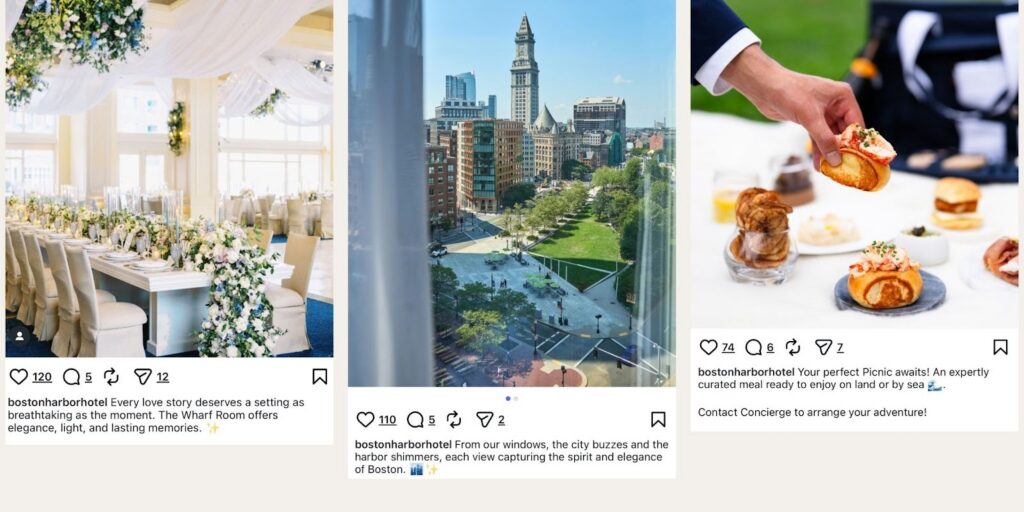
At GCommerce, we’ve seen hospitality brands like Boston Harbor Hotel achieve stronger performance when captions are tailored to the platform and audience. For example, short, experience-driven captions paired with stunning visuals tend to perform well on Instagram, while longer, story-focused copy that highlights seasonal offerings or guest experiences can drive deeper engagement on Facebook. Well-written, platform-specific copy helps set expectations, spark interest, and create meaningful interaction.
Pro tip: Customize your copy by channel. What works on Instagram may not perform the same on Facebook or LinkedIn, so adjust caption length, tone, and calls to action based on how travelers engage on each platform.
8. Visuals matter
High-quality visuals remain among the most engaging content formats. Use strong images and videos that represent your brand well and reflect the experience you offer. For example, the visuals shared by Asher Adams Hotel showcase how cohesive styling, consistent tones, and thoughtful composition can elevate a brand’s presence across social platforms.
Keep a unified visual style with consistent colors, fonts, and filters, prioritize video formats such as Reels, TikToks, and Stories, and refresh creative assets regularly to prevent fatigue. Strong visuals help establish recognition and grab attention quickly.
Pro tip: Create a reusable visual template with your brand colors and fonts so new content stays consistent even when creative is produced quickly.
9. Get inspired by the best
Studying successful hospitality brands can help shape your own strategy. Across GCommerce client work, the most effective organic social content highlights the experience behind the stay through immersive visuals, consistent branding, and story-driven captions. Whether showcasing a destination, an on-property experience, or a seasonal moment, strong content inspires travelers while remaining authentic to the brand. Look to what resonates, adapt the approach to your audience, and make it your own. Inspiration is valuable, but authenticity is what builds loyalty.
Pro tip: Follow three to five brands inside or outside your industry and save posts that stand out. Use them as inspiration for format or storytelling, then adapt the idea to fit your own brand voice.
10. Build AI visibility through structured social posts
As search and discovery continue to evolve, organic social content is beginning to play a larger role in how brands surface within AI-driven experiences. As part of GCommerce’s AEO beta testing, we are exploring how structured, answer-oriented social posts can support visibility beyond traditional feeds. This approach focuses on creating:
two to three intentional posts per month that clearly answer common traveler questions, highlight key brand differentiators, and guide users to high-value content on your site.
Carousel posts with overlay text help break information into scannable, digestible pieces,
Linking to schema-optimized pages, blogs, news, reviews, or brand features reinforces authority and relevance across platforms.
When executed thoughtfully, structured social content can support both audience engagement and emerging AI discovery pathways.
Pro tip:Identify three common questions travelers ask about your property or destination, then turn each into a carousel post with clear overlay text and a link to a relevant, schema-supported page on your website.
Organic social media remains one of the most effective ways to build genuine relationships and long-term brand loyalty. So what can brands do today? Start by committing to consistent posting over the next 30 days, engaging with your audience by responding to comments and messages within 24 hours, testing short-form video or interactive content on a key platform, and refreshing creative assets to avoid creative fatigue.
As platforms continue to evolve, an adaptable and authentic approach will help brands stay relevant and connected. If you’d like to learn more about evolving your organic social strategy, reach out to the experts at GCommerce today.
Commonly asked questions about organic social media best practices
How often should hotels post on organic social media?
Hotels should aim to post consistently, ideally three to five times per week, to stay top of mind and build trust with their audience. A regular posting schedule helps reinforce brand recognition and signals reliability to both users and platform algorithms.
What type of content performs best for hotel social media?
High-quality, engaging content that educates, inspires, or entertains tends to perform best. This includes strong visuals, short-form videos, user-generated content, and captions tailored to each platform. Prioritizing quality over quantity leads to stronger long-term engagement and brand loyalty.
How can hotels improve engagement on social media?
Hotels can boost engagement by actively responding to comments and messages, using interactive features like polls and quizzes, and sharing authentic guest experiences. Building a community through genuine interaction, not just broadcasting content, is key to long-term success.
Flywheel news | March 2026 hotel digital marketing news | GCommerce
Getting your property to the top of the search engine results page (SERP) can increase traffic to your website and net more direct bookings. However, to get your property to the top of relevant searches, you need to implement strategies that show Google that your site has exactly what its users want: helpful, reliable, quality, people-first content. With a tried and true three-pronged approach from GCommerce, your property can maintain a people-first approach to improve search engine ranking. Read more here.
What Meta’s latest attribution changes mean for your reporting
Meta recently quietly released an update on how ad performance is measured within the platform by changing their attribution models and adding in incremental attribution. The reasoning behind this update was to provide a more clear picture on which conversions actually happened because of your ad, compared to which ads contributed to a conversion. In turn, users could see a decline in traditional ROAS for data after April 1, 2025. The update also changes how clicks are measured and removes actions such as likes, shares, and photo clicks. While this hasn’t been rolled out to all accounts yet, GCommerce will continue to research the updates fully and make strategic recommendations based on the new attribution findings. Read more here.
The importance of guest sentiment and reviews in driving local SEO success for hotels in the age of AI
Customer reviews and star ratings have long been critical for local businesses, including hotels, shaping visibility in search results and influencing potential customers’ choices. While traditional search remains important, AI-powered tools such as Google AI Mode, Gemini, Perplexity, and ChatGPT are changing how reviews influence decision-making. Reviews are no longer just something that appears on the listing; they are analyzed, summarized, and highlighted which plays a direct role in user perception. To learn more about integrating review management into your marketing strategy, read more here.
Automated traffic now exceeds human activity across the web
A recent report states that automated traffic grew 23.5% YOY, compared to just 3.1% for human traffic, and AI appears to be the main driver behind that, according to HUMAN Security. Why is this important? Each year search behaviors continue to be shaped more and more by non-human queries as AI agents can now participate in discovery, comparison, and transactions with nearly 2% of those agents completing checkout flows. This means that optimization needs to include which machines can access, interpret, and act on your content. Read more.
The role of color psychology in hospitality marketing
First impressions in hospitality are formed within seconds, often before guests are consciously aware. From a digital advertisement to the hotel lobby, people start evaluating their surroundings almost immediately. Color plays a major role in this process, serving as a powerful tool for shaping guest expectations and experiences. Understanding how color psychology works can be applied to your marketing campaigns and across your digital channels, leading the user to perform certain actions or a feel a certain way. Overall, it reinforces your brand and the specific feelings you want your user to associate with your hotel. Learn more here.