How to respond to Google reviews

SHARE:

Responding to Google reviews is a critical part of any effective strategy for Local Search Engine Optimization (Local SEO). The way you respond to reviews can impact your hotel’s visibility, affect your credibility among potential guests, and even influence bookings. Here are a few tips for responding to Google reviews to ensure that your Local SEO is as effective as possible.

Respond to all reviews, both positive and negative

This shows that your hotel is engaged with your guests and takes feedback seriously. This can also improve brand loyalty, as it allows guests to form a more personal connection with your hotel.

On Google Business Profile, hotel listings with a high percentage of review responses are also more likely to be shown in search results.

If your hotel does not have the time to reply to reviews, companies such as our partner Widewail can assist with the workload by responding on your hotel’s behalf.

Respond within 2 weeks of the review being posted

1 week is even better, and within a few days is best. If your hotel can keep this pace consistently, it shows potential guests that you put effort and thought into every aspect of the guest experience.

Timely replies to reviews can also have a positive effect on Google Business Profile visibility.

For negative reviews, make sure to include a potential solution

Even if you contact a guest privately about a negative review, it is a good idea to mention this in your public reply as well. For example, you can respond with “Hello Guest Name, we will be reaching out about your experience.” This shows potential future guests that you care about the guest experience, and reduces the perceived risk of staying at your hotel for the first time.

Do not try to remove negative reviews

If a review counts as spam or otherwise breaks platform guidelines, it’s a good idea to remove it. However, leaving genuine negative reviews on your Google Business Profile provides a more accurate representation of your hotel, and creates trust with potential guests who may be suspicious of an overly positive response.

Leaving negative reviews visible also gives your hotel a chance to flex your problem-solving and customer service skills, with thoughtfully crafted replies.

Remove illegitimate positive reviews

If a positive review counts as spam or otherwise breaks platform guidelines, you should try to remove it. This creates a more accurate representation of your hotel, and creates trust with potential guests who may be suspicious of spammy positive reviews.

Listen to your guests

If a particular theme continues to reappear in negative reviews, take this feedback seriously and consider addressing the root of the problem. This will improve the guest experience, leading to more repeat guests and fewer negative reviews in the future. 

In summary

Responding to Google reviews can improve both your hotel’s visibility and your relationship with guests. If you respond to reviews with honesty and maintain an authentic presence on your Google Business Profile, this will positively impact your hotel in both the present and future. 


If you want to learn more about responding to Google reviews or improving your Local SEO strategy, don’t hesitate to reach out.
Leverage first, second & third party data for your property's success

SHARE:

Data is a pivotal point in digital marketing. It's the driving force behind tailoring campaigns, honing targeting precision, and ultimately achieving results. For a digital marketing agency like ours specializing in luxury hotels and resorts, data holds the key to success.

Among the various data types, three stand out: first, second, and third-party data. In this blog post, we'll explore these data categories and their significance in your property's marketing strategy.

What is first-party data?

At the core of your digital marketing strategy lies first-party data. It comprises information collected directly from your customers or website visitors. As a digital marketing agency serving luxury hotels and resorts, your first-party data may encompass guest details, booking history, and website interactions.

Key attributes of first-party data

  1. Ownership: As the owner of this data, you have complete control over how it is collected, stored, and used. This autonomy makes first-party data an invaluable resource for creating highly personalized marketing strategies.
  2. Accuracy: First-party data is collected directly from your customers and website visitors, ensuring its reliability and accuracy. This dependable information helps you make informed decisions and refine your marketing efforts.
  3. Customization: With detailed insights into individual customer behaviors and preferences, you can create tailored marketing campaigns that resonate with your audience. This level of customization enhances customer engagement and drives better results.

Ways to capture first-party data 

  1. Website analytics: Owning and accessing your hotel website is crucial for capturing first-party data. It allows you to gather insights directly from user interactions, such as page views, click-through rates, conversion rates, and more. Understanding visitor behavior and preferences helps in refining marketing strategies and improving user experience.
  2. Metasearch channels: Optimizing metasearch channels not only boost direct bookings but also provides an opportunity to capture valuable first-party data. By encouraging users to book directly through your website or a branded booking engine, you can collect data such as booking preferences, stay durations, and guest demographics. This data is essential for personalized marketing campaigns and enhancing guest satisfaction. Learn more about this and our metasearch management tool, here. 

What is second-party data?

Second-party data, on the other hand, is essentially someone else's first-party data that you access through partnerships or data exchanges. In your line of work, this could mean collaborating with businesses that complement your services and sharing data for mutual gain, such as partnering with airlines to target travelers seeking luxury accommodations.

Key characteristics of second-party data

  1. Relevance: Second-party data helps you reach a broader yet still relevant audience, extending your marketing efforts beyond your existing customer base.
  2. Trust: Second-party data acquired through trusted partnerships ensures a higher level of confidence in its quality and reliability.
  3. Extended reach: This data allows you to connect with potential guests who may not have previously engaged with your brand, expanding your market reach and potential customer base.

Ways to capture second-party data 

  1. Partnerships with complementary brands: Collaborate with brands that offer complementary products or services. For instance, a hotel might partner with a travel agency, tour operator, or local attraction. Through these partnerships, you can exchange data about customers who have shown interest in travel or related activities, providing valuable insights to both parties.
  2. Data-sharing agreements: Establish data-sharing agreements with trusted partners within the hospitality industry. For example, collaborating with other hotels within a chain or group allows for the exchange of guest data. This can include information about guest preferences, booking behaviors, and stay patterns, helping you better understand and target your ideal customer profile.

What is third-party data?

Then there's 3rd-party data, collected and aggregated by data providers unrelated to your business. This data can be acquired to enhance your understanding of your audience. For your luxury hotel and resort clients, it might include broader demographic information, interests, and online behaviors.

Key features of third-party data

  1. Scale: Third-party data offers access to an extensive pool of information, enabling you to target a much larger audience than first- or second-party data alone.
  2. Efficiency: Leveraging third-party data saves significant time and effort in data collection, allowing you to focus on campaign execution. However, it’s crucial to carefully scrutinize this data for accuracy and relevance.
  3. Segmentation: This data allows for the creation of highly targeted campaigns by providing insights into general interests and behaviors of potential guests. With effective segmentation, you can tailor your marketing efforts to resonate with specific audience segments.

Ways to capture third-party data 

  1. Data providers and marketplaces: Partner with reputable data providers or purchase data from online marketplaces that specialize in third-party data. These sources offer comprehensive datasets that include demographic information, online behaviors, and purchasing patterns. Ensure you choose providers with a proven track record of accuracy and compliance with data privacy regulations.
  2. Advertising platforms and analytics tools: Utilize advertising platforms like Google Ads, Facebook Ads, or other digital advertising networks that offer third-party data integration. These platforms often provide detailed audience insights and segmentation options based on third-party data, helping you target potential guests more effectively. Additionally, analytics tools can aggregate third-party data to enhance your understanding of market trends and consumer behaviors.

In summary, first, second, and third-party data each play a distinct role in your hotel’s digital marketing strategy. 

  • First-party data offers profound insights into your existing customers, paving the way for personalized marketing.
  • Second-party data widens your horizons through strategic partnerships with complementary businesses.
  • Third-party data broadens your audience but may require extra scrutiny for precision and relevance.

To thrive in promoting luxury hotels and resorts, you should harness all three data types. However, always place first-party data at the forefront of your strategy for personalized and highly effective marketing campaigns. Furthermore, consider partnerships and thoughtfully curated third-party data to extend your reach and deepen your understanding of potential guests. Striking the right balance between these data categories will keep you ahead in the digital marketing game within the luxury hospitality sector.


Want to make the most of gathering your first-party data? Let the experts at GCommerce Solutions enhance your data strategy.

Performance Max Best Practices

SHARE:

Performance Max (PMax) is a unique offering that takes full advantage of multiple marketing channels, promoting your hotel across Google’s ad inventory. We’ve already looked at the basics of this campaign type in “What Is Google’s Performance Max?” and assessed its efficacy and use cases in our Performance Max Performance Analysis, so the only thing left is to get this campaign live!

Performance Max is a more recent addition to the marketing world, only introduced in 2021, but we've got you covered. Check out the list of our best practices and campaign recommendations to get the most out of this campaign type.

PMax budget recommendations

Through our testing, we’ve determined that PMax campaigns require a minimum spend of $45 per day in order to run effectively and generate positive results.

While we have yet to determine a maximum spend, we recommend starting close to this minimum and ramping up over time. While PMax campaigns tend to generate positive results, certain hotels can see negative effects from this campaign type, so it’s important to start slow with a lower-spend testing phase. 

We highly recommend adding additional budget to support the launch of a PMax campaign. However, if budget redistribution is necessary, we recommend pulling from non-branded campaigns such as Market Terms. See our Performance Max Performance Analysis for more details.

When to launch a PMax campaign

Because Performance Max relies heavily on automation, Google requires a fair amount of data before PMax campaigns can run effectively. 

We recommend a minimum of 3 months of Google Ads data before launching a PMax campaign, with a minimum of 30 conversions. This ensures the account has enough history for your PMax campaign to identify your hotel’s converting audiences.

How to prioritize a PMax campaign

Because PMax campaigns utilize account-wide data to run more effectively, we highly recommend running PMax alongside other Google Ads campaigns. 

Based on our Performance Max Performance Analysis, we recommend prioritizing Brand Terms over PMax campaigns, and PMax campaigns over non-branded campaign types. However, the ultimate priorities and focus areas within your hotel’s advertising strategy will depend on your individual marketing goals and performance history.

First-party data & PMax campaigns

Along with historical campaign data, Google Ads uses “audience signals” to serve ads effectively. Audience signals can include affinity and in-market audiences, such as “Luxury Travelers,” as well as search terms, such as “Hotels In Park City.” However, the addition of first-party data makes PMax campaigns far more effective.

Signals such as customer match lists and Run of Site audiences are highly individualized for your specific hotel, making them an incredible resource for Google when trying to identify converting audiences and serve ads effectively.

Asset quality in PMax campaigns

High-quality assets are always important in advertising, but even more so when it comes to PMax campaigns. Due to the mix-and-match nature of this campaign type, it’s vital to have a wide variety of appealing, up-to-date image and text assets. High-quality video assets from YouTube, while not strictly required, are also a major benefit to a PMax campaign.

Google does provide the option to automatically generate certain PMax campaign assets, but we highly recommend against this. Automated assets are often low quality, offer very little control over brand voice, and tend to perform poorly.

Performance Max campaigns have an incredible amount of potential, but they aren’t magic. For your PMax campaigns to run effectively, they require proper input, including high-quality assets, comprehensive data on converting audiences, and a dedicated budget.

If you’re looking for more information on Performance Max, or want to get your hotel set up with this campaign type, don’t hesitate to reach out.

[E-book] Mastering Google's Performance Max: Campaign Performance, Impact, Key Use Cases, and More

SHARE:

Google’s Performance Max is a unique type of campaign that takes advantage of multiple marketing channels, utilizing all of Google’s inventory for your hotel’s advertising efforts. 

For more details on the utilization, pros, and cons of Performance Max campaigns, see our previous blog post on “What Is Google’s Performance Max?

On the surface, Performance Max seems like an incredible option. Taking advantage of multiple marketing channels with one campaign increases the potential for traffic growth, increased conversions, and better cost efficiency.

But is Google’s Performance Max really all it’s cracked up to be? We put this campaign type to the test, and the results surprised us.

Get all the insights in our ebook.

Maximizing your TikTok Campaign Potential

SHARE:

ICYMI: TikTok has been reinstated for the time being, and if you haven't tested TikTok advertising for your property, now's your chance. 

TikTok is a playground for creativity and connection. With millions of active users and endless opportunities, it’s the ultimate space for advertisers to think outside the box and make a real impact.

Learn how to engage users, collaborate with creators, and drive results effectively.

Leverage TikTok’s Creative Codes

TikTok’s Creative Codes are designed to help advertisers craft ads that perform well on the platform. Here’s an expanded look at each component:

  • TikTok-first content: TikTok thrives on organic, native content. This means that ads should feel like they belong to the platform, unlike traditional ads. Using vertical formats (9:16 aspect ratio) and lo-fi, unpolished visuals (e.g., raw footage, informal settings) helps make ads feel more authentic. Creators are central to TikTok, so partnering with influencers or creators can elevate your ad’s relevance and engagement.
  • Trends: TikTok is driven by trends, and these can be fleeting, so it’s essential to stay on top of what’s happening in real time. TikTok's Creative Center is a great tool for finding current and popular trends. Integrating your brand into these trends can make your content more shareable and increase its reach. For example, if a popular meme is trending, creating an ad that aligns with that meme can catch the audience’s attention quickly.
  • Production: TikTok users expect high-quality video but not overly produced content. Use crisp visuals and sound but maintain an authentic, informal feel. Keeping your content fresh is key—if ads look stale or overly similar to previous ones, they can lose engagement. Refreshing your video ads regularly prevents ad fatigue, where users start to ignore or block out your content.
  • Structure: A good TikTok ad often follows a simple, clear structure:
    • Hook: Capture attention in the first 3 seconds with something unexpected or intriguing.
    • Body: Provide value or content that supports your message (e.g., product benefits, brand story).
    • Close: End with a strong, clear Call-to-Action (CTA) that guides the viewer on what to do next, whether it’s clicking a link or visiting your website.
  • Stimulation: TikTok ads should move quickly. Use fast cuts and scene changes to maintain interest, and text overlays to highlight key points. People tend to scroll fast, so your ad must grab attention immediately. Dynamic editing with playful transitions can make the ad feel more like organic content.
  • Sound: TikTok is inherently auditory, so sound plays a huge role in creating an emotional connection. Music sets the mood of the ad, while voiceovers can help tell a story or explain how your product works. TikTok’s Commercial Music Library ensures that you have access to royalty-free music, which can be essential for maintaining the copyright integrity of your content.

Embrace Native content

Native content refers to ads that blend seamlessly into the platform’s regular content, making them feel like organic posts rather than intrusive ads:

  • Keep it real: TikTok users are highly sensitive to inauthenticity. Ads that appear overly polished or commercialized can appear out of place. Instead, use lo-fi aesthetics, such as videos filmed on a smartphone with natural lighting, and avoid high-end production values.
  • Use vertical format: Vertical video (9:16) is the standard on TikTok, and videos that are in this format tend to perform best. Horizontal videos often look awkward and less engaging on mobile devices, which is the primary way TikTok is consumed.
  • Feature people: Authenticity is key on TikTok, so showing real people, such as employees, creators, or customers, can foster a deeper connection with the audience. If possible, feature user-generated content or collaborate with influencers, as their followers are more likely to trust and engage with the content.

Follow TikTok trends

Trends on TikTok can be divided into moments, signals, and forces, each offering different types of opportunities for your brand to align with cultural currents:

  • Moments: These are short-term trends, often based on memes, viral challenges, or real-time events. Brands can capitalize on these by participating in the trend quickly and authentically.
  • Signals: These are mid-term cultural trends that may last weeks or months, such as new product categories, emerging cultural shifts, or seasonal events. Adapting to these trends can help brands stay relevant over time.
  • Forces: These are long-term cultural patterns, like sustainability or social justice, that shape behavior and attitudes. Aligning your brand with these broader, deeper trends can help create a more lasting connection with audiences.

Optimize sound

TikTok is a highly immersive platform, and sound is one of the most important elements for keeping users engaged:

  • Music: The right song can enhance the emotional appeal of your video. It helps set the tone of your content, from energetic and playful to calm and soothing. TikTok allows users to select songs from its vast library, and using trending music can also give your content more exposure.
  • Voiceovers: Adding a voiceover to your ad can help explain the product or service you're offering, tell a story, or provide additional context. Voiceovers are especially useful for tutorial or instructional content.
  • Commercial Music Library: This library offers pre-cleared music that is safe to use for commercial purposes. Using music from this collection ensures that you don’t run into copyright issues, which can be crucial for maintaining the integrity of your brand.

Value of creativity

Creativity is at the heart of TikTok's success, and it must resonate with your target audience on a personal level:

  • Empathy: Understand the values, challenges, and interests of your audience. Show that you are aligned with their emotions or concerns, whether it’s through humor, inspiration, or relatability. This can increase viewer trust and make the content more shareable.
  • Resonance: The content should evoke an emotional response. This can be through storytelling, creating scenarios that the audience can relate to, or tapping into cultural relevance (e.g., addressing timely issues or trends).
  • Variety: Mix content types to keep your audience engaged. Entertainment-focused videos might attract attention, while educational content can provide more value. Combining different formats helps you reach a broader audience with varying preferences.

Strategies for Success on TikTok

Here are several key strategies for optimizing your TikTok campaigns:

  • Blend paid and organic content: A strong organic presence (e.g., regular posts, user-generated content) can make your paid ads more effective. By consistently posting relevant content, you build trust and credibility, making users more likely to engage with your ads.
  • TikTok-first content: Embrace the native, informal storytelling style that works well on TikTok. Ads that integrate into the TikTok environment feel more authentic and resonate better with users.
  • Creator collaborations: Influencers and TikTok creators are trusted by their followers. Partnering with them allows your brand to tap into their audience and establish credibility in an authentic way.
  • Creative tools: TikTok’s Creator Marketplace is a valuable resource for connecting with influencers, while AI tools can help scale your content and optimize performance. These tools enable you to manage your campaigns efficiently and target the right audience.

Need help getting started with TikTok ads? Reach out today!

How the iOS 18 Update Will Impact Email Marketing

SHARE:

If you haven’t seen by now, Apple is currently releasing their next big software update, iOS 18. The update became available on September 16, 2024, and includes a myriad of enhancements and updates to everyone’s favorite Apple products. Apple boasts that this major update brings in new ways to personalize your iPhone with deeper customizations to the Home Screen, Control Center, and more. The Photos app has been completely redesigned, and soon there will be additional features added to Messages and Mail.

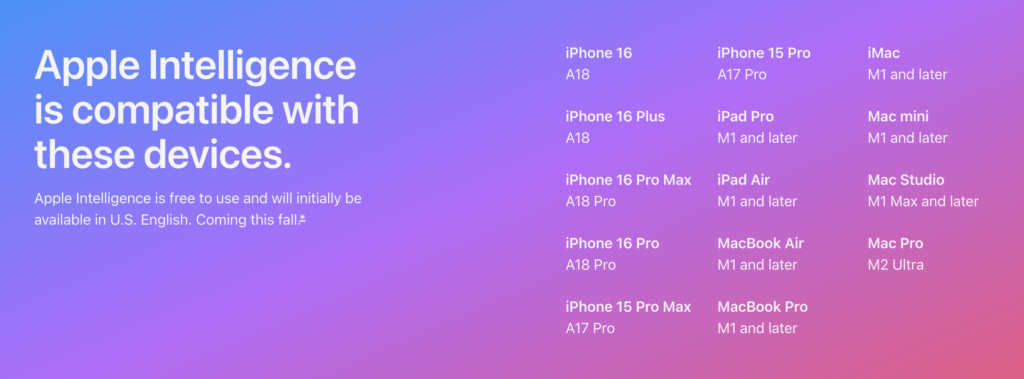
However, the biggest impact to digital marketers comes with the newly introduced Apple Intelligence, set to release in October and November 2024. This personal intelligence system utilizes the power of generative AI models and personal context to provide greater value to iPhone users while also protecting privacy and security.

The Apple Intelligence feature is only rolling out on these types of devices for now:

How will iOS 18 impact digital marketing?

Let’s get down to it–what is Apple Intelligence exactly and how does it impact marketers? In a nutshell, Apple Intelligence is marketed as AI for the rest of us. Through a series of iPhone enhancements, Apple is putting the power of generative AI at our fingertips with easy-to-use integrations such as writing tools, message and email reminders, image editors and creators, updated abilities for Siri, and more privacy protection. While these tools are all exciting and should offer more value and control to the iPhone user, it’s the email updates, in particular that will affect digital marketing moving forward.

Set to release later this fall, Apple Mail will begin doing a couple of things:

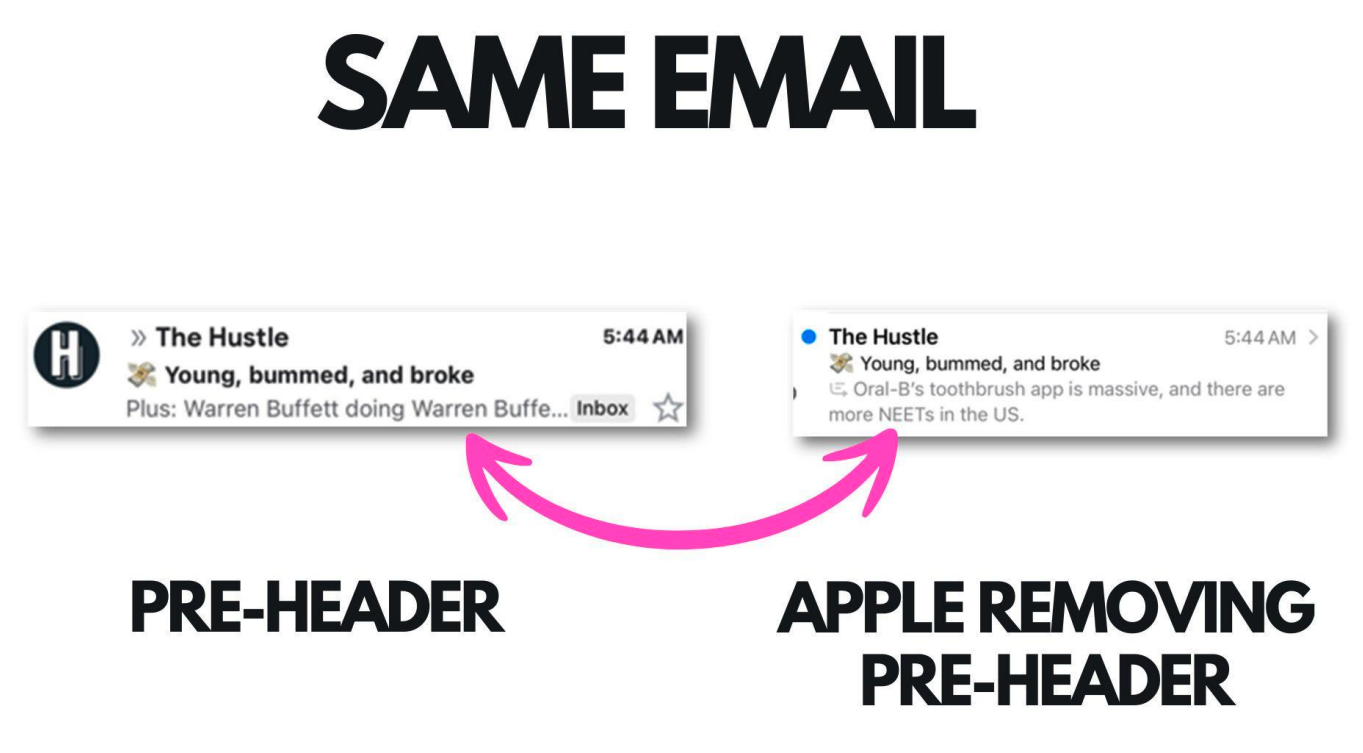
  • Removing customized preview text and replacing it with random snippets from the email body. Email marketers will have no control over what text populates in the preview text for any email opened in Apple Mail. Early testing that we’ve seen shows that preview text often has absolutely nothing to do with email content and does nothing but confuse the user.

Image Source: Jay Schwedelson at SubjectLine.com

  • Utilize AI to filter all emails into four new categories: Primary, Updates, Promotions, and Transactions. For an email marketer, the Promotions category will essentially be the kiss of death when it comes to open rates and viewability, as your email will be swimming in a sea filled with other promotional materials. Instead, we want to focus on getting our emails into the Primary and Updates inboxes.

So, why does this matter? 

56% of users utilize the Apple mail app on their iPhone instead of other downloaded apps such as Gmail or Outlook. Because this app comes preloaded on your iPhone and integrates with all Apple products, it tends to be the easiest option. Therefore, how your emails showcase and get filtered really matters when it comes to open rates and, ultimately revenue. 

Tips & ticks to help combat the iOS 18 mail updates

While we can’t stop the iOS 18 mail updates from rolling out, we can add a few new tricks to our marketing toolbox to help get our emails seen, opened, and ultimately clicked on. 

Utilize your “From: Address” as an extension of the subject line

That’s right, the From: [Hotel Title] is valuable real estate and should be used to expand upon the subject line and email content. Instead of keeping that piece generic with your hotel’s name, include extra verbiage, such as announcing a Flash Sale at [Your Hotel] or Fall Getaways at [Hotel Name] to boost your subject line. The best part? You can change your From: Address as many times as you want for every email, and it won’t impact deliverability. So why not give it a try? With preview text going away, this is the perfect way to get more controlled verbiage into your customer’s inboxes.

Pro tip: You don’t even NEED to include your full hotel name as the From: Address. Think outside the box and try something new this year!

Include AI trigger words to email subject lines

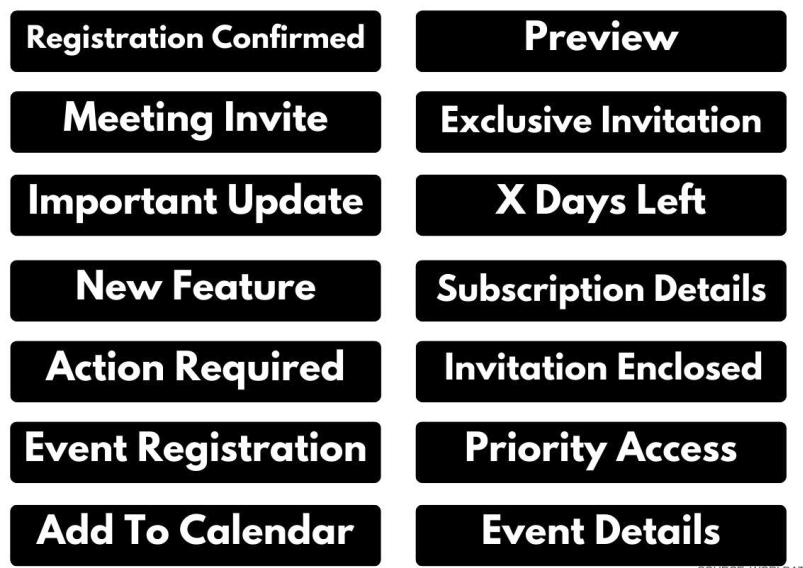
Similar to trigger words for the spam filter, early testers have been able to identify trigger words for Apple’s new AI capabilities when it comes to categorizing your emails into Primary, Updates, Transactions, and Promotions. Sourced from the WorldData Research 2024 Performance Report, the following phrases and words have been shown to help Apple’s AI push your emails into the Primary and Updates sections.

Image Source: Jay Schwedelson at SubjectLine.com

While these words and phrases don’t need to be your main focus, they can help bolster your hotel’s email efforts. 


As we stated earlier, the iOS 18 update is now available, but the Apple Intelligence features won’t roll out until October and November, giving us some time to prepare our strategies for the future. If you need help with your email marketing, you can trust the experts at GCommerce.

Keep Reading