10 Search Engine Marketing Trends Hotels Need to Know in 2017

SHARE:

The top search engine marketers in the world met over 3 days in Seattle to discuss and present current and future trends within the industry, covering everything from how to obtain position 0 in the SERP to the exciting future of Voice Search and everything in between. Here’s a breakdown of what all hoteliers need to know about the present and future of search engine marketing for hotels.

  1. ROBOTS ARE TAKING OVER! EMBRACE TECHNOLOGY AND START USING CHATBOTS. It’s been proven for many years that live chat on your website boosts conversion rate but many hotels run into operational limitations. Independent hotels are stretched thin on operational staff and typically don’t have someone available to monitor and respond on their website’s live chat. There’s a solution and it’s called CHATBOTS. It’s not a new concept but platforms such as Bing are making it easier than ever to build your own. Just take a visit to The North Face or Skyscanner websites. These two sites are actively using chatbots to interact with visitors – helping them shop, find content and products as well as make purchases.
  2. START USING ADWORDS NEXT AS SOON AS YOUR ACCOUNT IS ELIGIBLE. Google Adwords is slowly rolling out access to their new version of Adwords called Adwords Next. It features a completely new user interface. While it does take a bit to get acquainted with the new layout, using the new version gives you access to important new features you can’t access in the old Adwords UI, such as promotion extensions & call bid adjustments.
  3. THE FUTURE OF SEARCH IS VOICE, BUT MOBILE IS NOW. The question on everyone’s mind and a breakout topic at this year’s SMX Advanced was “how do I optimize for voice search?” Alexa, Siri, Cortona, Google Home; there’s a smattering of new technology built upon voice search commands. The fact remains that this technology is still in its infancy and has many limitations. In an industry such as hotels where consumers rely so heavily on visual results to assist them in their research and purchase funnel, other devices continue to be more important for hotels. While voice search is something to be considered in search strategies for hotels moving forward (and there are a few tactics to help you now), hotels should be more focused on optimizing their mobile and desktop experiences before focusing on voice.
  4. LOCAL SEARCH WILL MOVE TOWARDS ADS – YOU’LL NEED TO PAY TO PLAY TO BE VISIBLE. Google reported a 53% increase in paid clicks YOY on their Q1 2017 earnings report. It’s no secret that they’re in this business for the money, they have to answer to shareholders and the majority of their income comes from advertising dollars. They’re constantly looking for ways to monetize the search results, which is evident from the evolution of the SERPs page year after year. One thing that was agreed on by every member of the Local Search Braintrust of experts at SMX Advanced was that Local Search results are going to become pay-to-play. This is apparent from the changes to the knowledge panel with Google’s Hotel CPC program that allows OTAs and hotels to present sponsored ads showing current rates, the launch of local ads on Google Maps, and their recent tests that show rates directly on map results.
  5. THE MOST EXCITING, NEW FEATURE TO TAKE ADVANTAGE OF RIGHT NOW FOR PAID SEARCH IS AUDIENCE TARGETING. On the last day, during the last session of SMX Advanced, a panel of SEM experts sat down for a Q & A session with the audience. One of the best questions to round out the series was “what is one thing you want to do to your paid search campaigns but haven’t had time to yet”. All of the experts voiced their excitement and goals for their paid search campaigns focused on better use of audience targeting. This includes:
    1. In-market (coming soon to Google & Bing)
    2. RLSA
    3. Customer match

Enhancements to audience targeting have been a focus of Google for a while now, most likely to compete with the incredible targeting options available within Facebook advertising. If you haven’t started testing different audiences in Google and Bing don’t wait. Options like RLSA and customer match are already proving successful for many advertisers. We can’t wait to test the new in-market audiences Google and Bing will be launching this year.

  1. YOU SHOULD ALREADY BE USING SCHEMA/STRUCTURED DATA. A common theme across many SEO sessions was the use of Schema structured data markup to improve your presence within search results. From local search to voice search, all SEO experts agree – if you’re not using schema structured data throughout your site, you’re missing out on having the best-optimized pages for search engines. With such a low adoption rate by hotels so far, now is the time to implement schema structured data on your website and get ahead of the competition.
  2. GOOGLE IS NOT QUITE READY TO MOVE TO A MOBILE-FIRST INDEX. The two sessions where Google’s Gary Illyes stood up to speak were both packed to the brim, standing room only. Since what Google says is considered the holy grail of the search marketing world, a room full of SEOs waited with baited breath as he delivered cryptic statements about Google’s stance on a variety of questions. The biggest topic being the recently announced Mobile-first Index. If anything was apparent from the bits and pieces of information Gary would give up, it was that Google isn’t close to being ready to transition to a solely mobile-first index. If they made the switch now, it would risk poor results – considering many websites are still not providing a mobile-friendly experience. Gary also stated that Google may smear over desktop signals to mobile to fill in gaps of knowledge for the index. All of that being said, Google is still a ways out from transitioning to a mobile-first index and it probably won’t happen until 2018 at the soonest. So if you don’t have a mobile-friendly experience for your consumers – fix it now.
  3. SEM’S ACROSS ALL INDUSTRIES ARE SEEING INCREASES IN CPCS. It’s an unfortunate trend we’ve been seeing for clients over the past year and we’re not alone. CPCs keep going up. This was a concern voiced throughout the conference; SEMs across all industries are continuing to see a rise in CPC, most alarmingly for exact match branded keywords. These are supposed to be your most qualified, lowest cost-per-click keywords but they keep rising. One thought was that it came from a recent algorithm update in May but no one has an exact answer. It remains to be seen how CPCs will continue to rise and how much of an impact that might have on hoteliers.
  4. YOU NEED TO BE WORRIED ABOUT PAGE SPEED. There is a reason Google is pushing AMPs so much, they are worried about page speed – specifically for users on mobile devices, but it’s a true concern across devices. Any page taking longer than 5 seconds to load is too slow. Do what you can to minimize scripts, compress images and more to improve your page load time. Even minimal improvements in speed can make big differences in bounce rate and conversion rate of your website. Users’ expectations are getting even tougher; if your page doesn’t load fast enough, users are going to leave. According to a study by Kissmetrics, a 1-second delay in page response time can result in a 7% reduction in conversions (Kissmetrics Blog). Do you want to risk losing that revenue?
  5. CONTENT MARKETING IS MORE IMPORTANT THAN EVER. Content has always been important for SEO. The recent buzz word for content marketing is just a new packaging for something that SEO’s have been pushing for years. Google even came out and confirmed last year that content remains one of the top 3 ranking signals. It remains extremely important to have substantial, relevant content on your website that is valuable to your consumers. But, it’s important to remember there are no one-size/one-kind-fits-all solutions. The type of content that’s important for success differs by industry. Word content remains an important factor, with pages that rank in the top 10 consistently having at least 1,900 words (Search Metrics – Periodic Table of SEO Ranking Factors 2017). But it’s not just size that matters; the content and messaging also need to be relevant to the user’s intent. According to Search Metric’s 2017 ranking signals for hotel and travel websites, success is found with more image content. For hotel websites, success is more closely tied to having great visual content and great word content. Are there ways for your hotel to have more compelling visual and word content that better speak to your audience? If so, now is the time to implement it!

How Your Hotel Can Win in a Mobile First World

SHARE:

The world has gone mobile and it shouldn’t come as any surprise. How many hours do you clock per day on your mobile device? Google has been vocal about the importance of mobile for years and it’s something that GCommerce has been preparing clients for since the first iPhone was released (that’s dating back to 2007 for quick reference).

First, a quick history of a few of Google’s mobile-ly motivated actions. In 2013, Google Adwords transitioned to Enhanced Campaigns, effectively taking away the ability to target a campaign to only one device type. Why? Because they want you to deliver the same experience to every consumer, no matter what device they are using. It also forced advertisers to start playing in the mobile space, where most saw lower conversion rates and poor revenue performance. In May 2015 Google confirmed that more searches are on mobile than desktop. Then, in the fall of 2016 Google announced they will be rolling out a new mobile-first index.

What does this all mean for hotels and how can your hotel succeed at (mobile) marketing? A successful marketing strategy these days means optimizing for all devices and understanding that consumer behavior is different depending on what device they are using at that time. We’re here to outline the steps for your hotel to achieve a successful marketing strategy for all devices.

STEP 1: THE FOUNDATION OF SUCCESS IS A WELL OPTIMIZED, RESPONSIVE WEBSITE

If you don’t have a mobile-friendly website it’s the first, most important step you should take in your hotel’s digital marketing strategy. Most KPIs funnel from traffic sent to your website. Take out your smartphone right now. Go to your hotel’s website. Can you easily navigate and find the information you need to complete the action you want visitors to take whether that’s an online reservation, click to call or important information such as location, directions, photos and more?

MAKE IT RESPONSIVE – In the early days of smartphones, many businesses turned to mobile websites to display unique, different versions of their web pages for mobile. New technology and Google’s directives are favoring the structure of responsive sites.

  • Responsive websites give you the control to use the same page URL for any device but the design/presentation of the page is automatically adjusted depending on the device it’s being viewed upon. This means you don’t have to manage two sets of page content.
  • Google is moving to mobile first indexing – if you have different/less information on your mobile page version then it could hurt you in organic rankings
  • Take a look for yourself using a tool such as Screenfly to view your website across many different device types

MAKE IT FAST – page load time is extremely important for website performance and search engine rankings. Consumers have come to expect page content to load instantly, and when it doesn’t they bounce. Kissmetrics completed a study that found 47% of consumers expect a web page to load in 2 seconds or less and 40% of people abandon a website that takes more than 3 seconds to load. On top of that, Kissmetrics found that a 1-second delay in page response time could result in a 7% reduction in conversions. COMMIT THE BUDGET NECESSARY FOR IMPLEMENTING WEBSITE DEVELOPMENT IMPROVEMENTS FOR PAGE SPEED – you are certain to make your money back in no time.

giphy-1

OPTIMIZE IT – set up your site for SERP success with well-optimized pages that include:

  • Optimized page titles, meta descriptions, and header tags
  • Keyword focus integrated into your on-page copy, alt text and image names
  • Voice focused keyword queries that answer questions and include semantic phrases for your top keywords
  • Keyword rich URL strings
  • Internal links to help visitors navigate easily through the site to find important content

MAKE IT EASY FOR YOUR VISITORS TO CONVERT –The easier you make it to navigate to what your consumers are looking for, the more likely the visitor is to convert. Don’t forget to look beyond your web pages – is your booking engine easy to use on mobile devices?

giphy-1
  • Follow Google’s mobile-friendly best practices. Test your site here
  • Present a clear path to conversion such as a prominent “Reserve Your Stay”, “Book Now” or phone number with click-to-call functionality
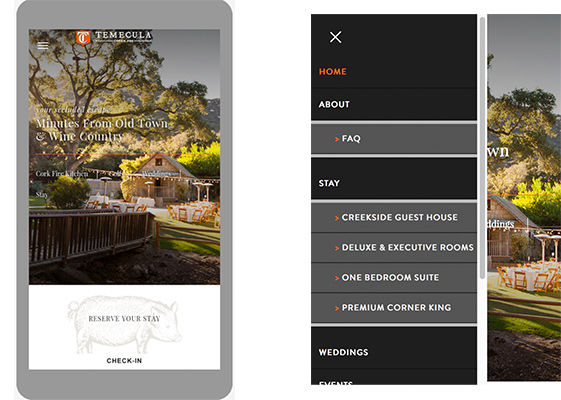
  • Display easy to navigate menu options that present the most important information that visitors need
  • Audit your booking engine path to book to ensure there are no excessive steps or information required to book
Untitled-1

STEP 2: MAKE SURE YOUR HOTEL IS VISIBLE WITH LOCAL SEARCH OPTIMIZATION

46% of all searches on Google are local and in 2015 Google confirmed that mobile search surpassed desktop. Ensuring your hotel is optimized for local is more important than ever. Here’s a breakdown on how to make sure your hotel is visible in local searches:

Make sure you have consistent business information across all major directories, local listings
Optimize local listings including Google My Business, Bing Places
Partner with local businesses/community to gain exposure as well as link opportunities
On-page keyword optimization focusing on local, geographically focused terms
Encourage guests to post reviews through post-stay emails and reminders on property

STEP 3: DRIVE QUALIFIED TRAFFIC THROUGH A MIX OF MEDIA CAMPAIGNS ON MOBILE

Set up and optimize media campaigns for mobile devices driving exposure and generated qualified traffic to your mobile friendly website. Channels include:

PAID SEARCH
Use mobile bid adjustments to ensure visibility and conversions at the most efficient CPC
Enable location extensions to be eligible to show in Google Map/Local ads when people are searching for “hotels near” terms
Enable call extensions to allow your customers to click to call and drive phone call conversions
FACEBOOK: We see higher CTR on mobile than desktop and many of our clients are seeing a vast majority of their conversions coming from mobile devices.
Facebook’s Q1 2017 report showed that more advertisers are jumping on this trend; mobile ads made up 85% of Facebook’s q1 revenue.
In fact- many agencies are preaching “mobile first” even when it comes to FB ads (i.e. shorter copy, make sure images look good on a small screen, etc.).
EMAIL: a good mobile experience is also crucial to email marketing efforts:
Mobile represents roughly 54% of all email opens (according to litmus).

STEP 4: UNDERSTAND PERFORMANCE THROUGH KPIS AND CONVERSION TRACKING – are you tracking all points of conversion? Across all channels and all devices?

It’s important to understand that conversions on mobile devices may differ from desktop or tablet. Mobile phones are used intensively for research while desktop and tablet are still the main devices used to book online for hotels. Conversion types you should be using to measure mobile success include:

Phone calls
Look-to-book
Online reservations
Text to book
A major issue for many hotels is the inability to attribute phone call revenue to specific media campaigns or channels. There are a few solutions to track phone calls, from basic reporting that allows you to track the number of phone calls with duration and area code to solutions that can attribute booked revenue to specific campaigns. Some of our favorite solutions to help you track phone call conversions for hotels include:

Navis – an advanced phone call tracking solution that integrates with your reservation system to not only track revenue back to specific campaigns but improves your call conversion rate and deliver exceptional guest service.
Pros – advanced reporting including revenue booked over the phone and online attributed by campaign and by channel, improves guest experience drives higher phone call conversion rates, allows reservation agents to have specific notes on past guests and previous calls tied to same phone number
Cons – more expensive to set up, requires full integration into your operations reservation process and system
Phonalytics – provides a secure, easy-to-use Web-based control panel that shows all call attributes by customer name or ID, staff member, department, location, call time, call status and call duration
Pros – tracks phone calls and stats across multiple channels
Cons – doesn’t automatically track direct revenue from call bookings by channel
Google Adwords Call Tracking – the easiest and least expensive (free through your Google Adwords account) option, Google Adword’s call tracking allows you to track calls generated directly from your ads and calls generated after someone lands on your website and then calls you from the number displayed. This call tracking is easily set up through GTM and tracks by using dynamic phone numbers associated with each paid search campaign and displayed to the consumer on your paid search ad and on your website.
Pros – free, tracks calls – including duration, area code and if the call was answered or missed
Cons – can’t attributed direct revenue bookings, doesn’t record phone calls for reservation training or insight

CONCLUSION

What it all boils down to is that you need to optimize your online presence for an all-device world, taking into deep consideration the device types that are sending the most traffic to your website. Mobile, tablet and desktop traffic all play a role in the online lives of consumers and they expect a high standard of performance no matter what device they use. Optimize your hotel’s website for mobile but remember that all device types play a role in the online success of your business.

Improving Organic Search Performance with Structured Data

SHARE:

THE DIGITAL MARKETING PROBLEM FOR HOTELS – DECREASING ORGANIC TRAFFIC & INCREASING CPCS

Many hoteliers have experienced a similar trend with their organic traffic from Google: it is decreasing. Over the last several years, Google has drastically changed the way they present websites on their result pages. Here, we will walk through some of the recent changes from Google’s Result Pages, how they might be impacting organic search experience and a possible solution to help mitigate some of the negative impacts that websites might be experiencing.

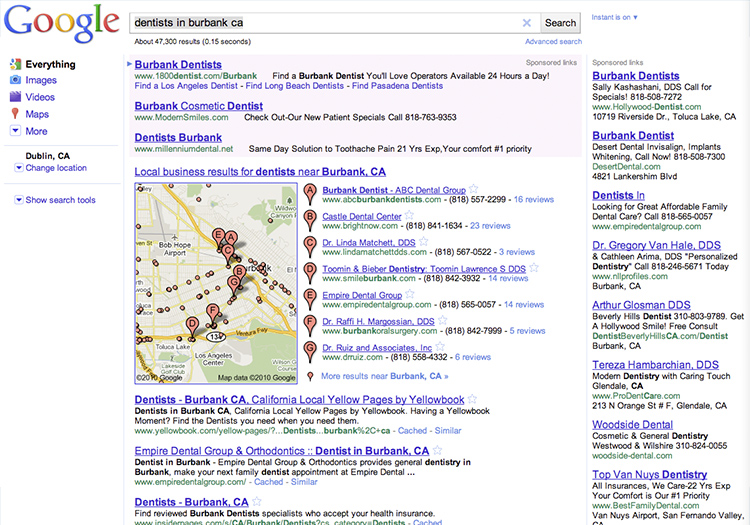
Around 2012 – Back in the glory days of search engines, the organic search results were displayed right up at the top, very easy for the searcher to find. Google had ads above those, and some on the sidebar, but they were more easily distinguished from the Organic Search Results and the top organic result could rely on as much as 33% of the overall clicks on the page.

2017.06_Blog_Image_1_Schema

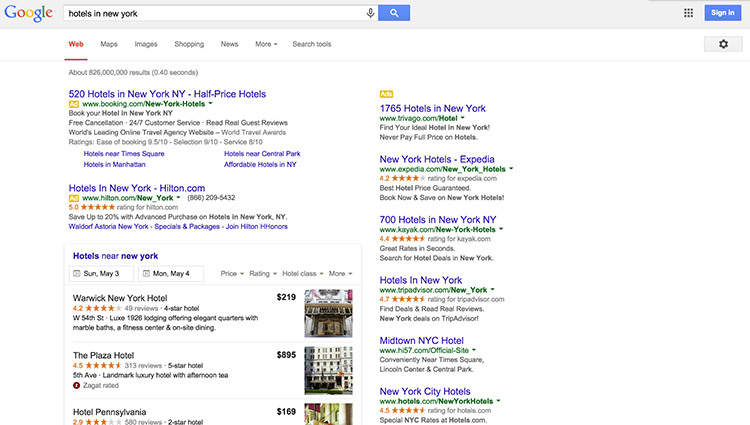
2015 – By this year, Google had made some serious changes to their result pages. You can see the local map pack becomes more prominent, ads now take up multiple lines with several links available to click on and you cannot even see the 1st organic results unless you scroll further down, they are “below the fold”. The difference between this result page and the one from 2012 illustrate how much Google’s page has changed in those years. There seems to be no priority to display organic results at the top and the page seems very ad heavy.

2017.06_Blog_Image_2_Schema

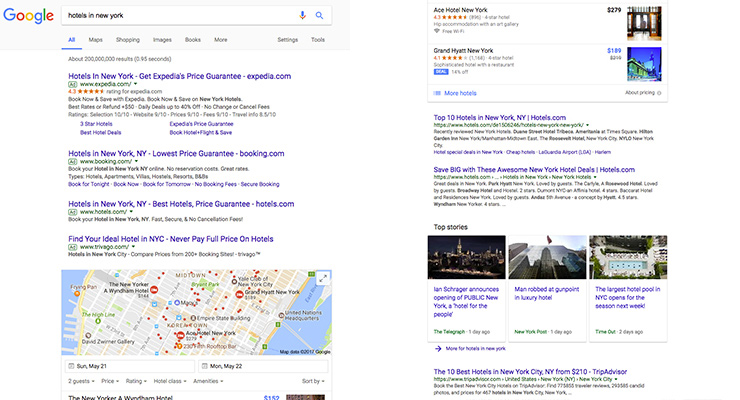
2017 – The biggest difference between here and 2015 is that there are no longer ads being displayed on the sidebar. However, we have increased the number of ads above the local pack to a total of 4. As we scroll down, we see 2 organic search results, news results, and then more organic. As of today, most of what is being displayed on the first page are not organic results, but either ads or information that Google has deemed relevant to the searcher are shown instead. While the first organic search result still receives a vast majority of the clicks on the page, the rest of the organic results listed get a markedly lower number of clicks in comparison to the past.

Changes in Google’s Search Result Page have resulted in some drastic changes to the way people interact with Search Engines. As we mentioned above, interaction and CTRs with organic results outside of the first position have declined. With the reduction in the number of ads on the front-page, the demand for that ad space has increased significantly, which results in an increase of as much as 60% in Brand CPCs.

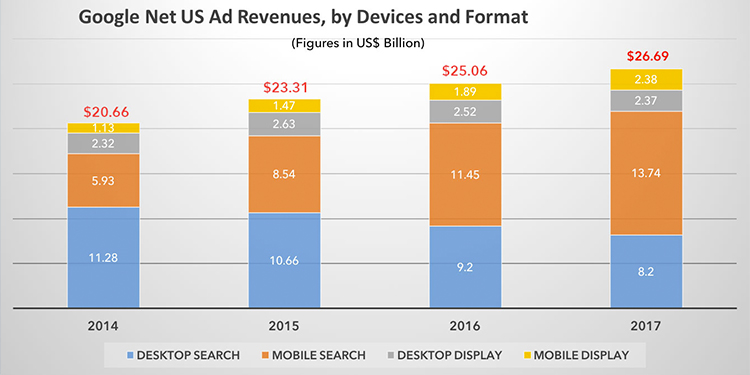
It’s also no surprise that Google continues to make more money off of ads year-over-year, with the largest increase in revenue coming from mobile searches. With the increase in mobile, the fact that the organic search results are being pushed further down the page is an even larger problem; with smaller screens, people have to view more of the page in order to see the full list of organic results. Evaluations from these changes show that the biggest losers for impressions and traffic with the new layout are in Google’s organic search results.

2017.06_Blog_Image_5_Schema

A PROPOSED SOLUTION

Unfortunately, Google doesn’t seem to be making any changes or indications that they are going to go back to an older model with more prominent visibility for organic results. The majority of the websites that we work with are seeing an increase to their CPCs through paid traffic and a decline in their organic traffic from Google. While we don’t believe that we can combat this trend and effectively give our partner websites the same visibility they once enjoyed through Google’s organic results, we wanted to explore any possible way that we might be able to provide an additional benefit above what our client’s competitors were doing. If we are not able to completely reverse the trend of declining search traffic, can we at least slow it down? One area we saw a great opportunity in was with structured data.

WHAT IS STRUCTURED DATA (SCHEMA)?

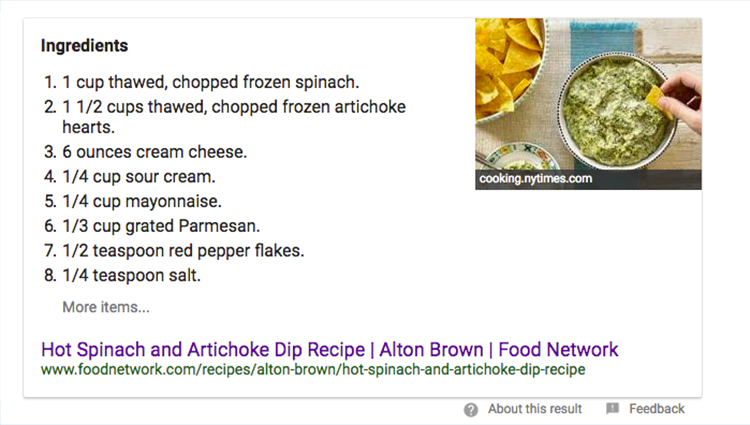
Structured Data is not anything new to the Internet; it is simply a way for very specific data to be conveyed with a high level of organization. This allows information to be easily read by spiders and bots on the Internet in order to aggregate that information in an automated fashion for relational databases. Whether or not you have heard the term structured data, you are probably familiar with the results if you have ever searched for a recipe online:

2017.06_Blog_Image_6_Schema

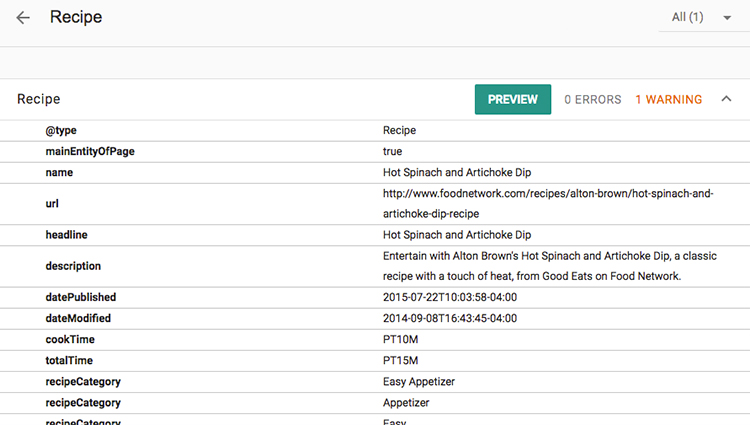
Everything within this search result is populated through structured data to be shown as a “featured snippet” from Google, which is able to show this information automatically. The screenshot below from Google’s Structured Data Testing Tool shows the amount and type of information that can be shown through Schema. Other sites on the Internet can then utilize that information automatically, as within the example above with Google’s display of the artichoke dip ingredients.

2017.06_Blog_Image_7_Schema

Recently, Google announced that they would be showing featured snippets for hotels through rich cards. Rich cards from Google allow hotels to display more accurate information and highlight specific amenities or aspects of their website to the searcher. Google has explicitly stated that they do not take structured data into account as a ranking factor. However, there is a lot of evidence to show that organic CTR for websites is a ranking factor. If structured data provides more information to the user, which should help improve CTR, which should improve rankings, which would improve CTR and so on. We also have a lot of evidence to show that structured data is a marker for showing information within local search results as well. So structured data could be a strategy to help improve organic rankings and traffic from Google, especially considering most independent hotels do not currently utilize structured data on their websites. We decided it would be a great idea to test this with one of our clients.

RESULTS – A SIGNIFICANT INCREASE IN ORGANIC PERFORMANCE

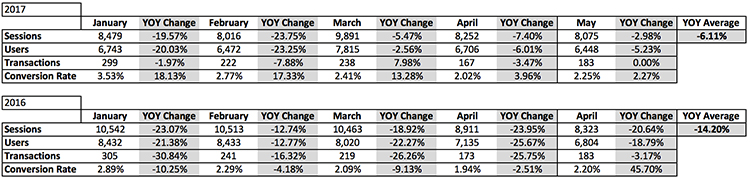
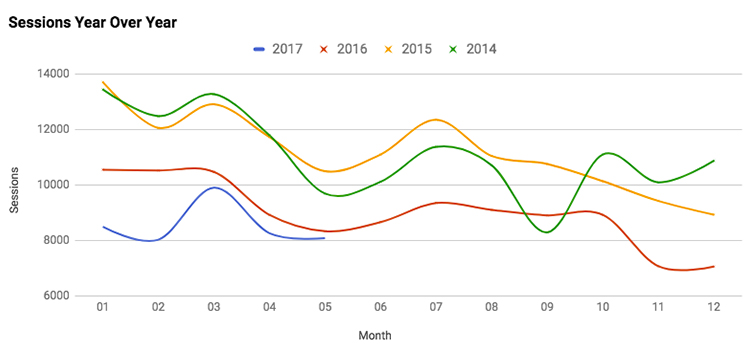
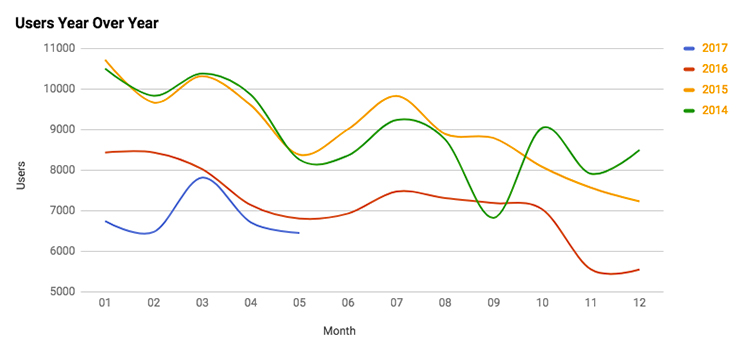
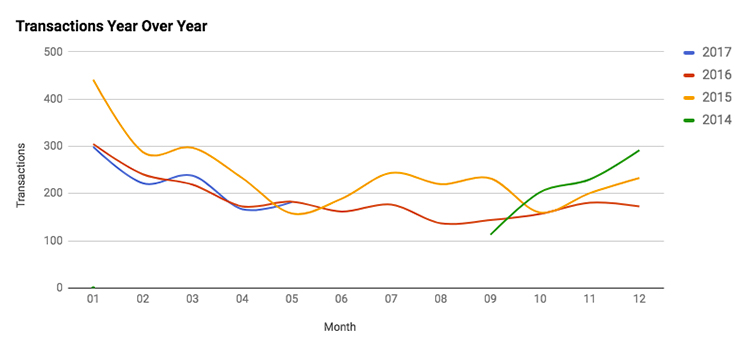
GCommerce works with a hotel in a major metropolitan area. They get a significant percentage of their traffic and revenue from Google’s organic search results. As a result of changes within Google’s display of their search result page, along with changes in rankings, this hotel’s website has seen a significant decrease in traffic and revenue from Google. Year-over-year, this hotel saw an average decrease in sessions, users, revenue, transactions, and conversion rate of about 14%, comparing January-May, 2015 with the same time period in 2016. In late January of 2017, we implemented structured data markup to this website. When we look at the same comparison of data, but with 2017 and 2016 data, we see an average decline of less than 6.5%. The number of users is nearly equal to 2016 data and the number of transactions actually eclipsed 2016 numbers in March:

2017.06_Blog_Image_8_Schema
2017.06_Blog_Image_9_Schema
2017.06_Blog_Image_10_Schema
2017.06_Blog_Image_11_Schema

CONCLUSION – MITIGATE DECLINING ORGANIC TRAFFIC & REVENUE

Here at GCommerce, we are wise enough to know that we cannot completely reverse trends within Google’s result pages. Industry-wide, organic traffic is declining and it will likely continue to decline as Google continues to monetize their result pages. With increased costs in advertising, hotels are going to have to utilize new technologies in the ways that they bring traffic to their website and how users interact with their site in order to get more bookings with similar marketing dollars. One of the ways that GCommerce has proven to help impact organic traffic and rankings is with structured data markup. For help in adding structured data to your website, contact us today.

How To Build Well Optimized Landing Pages to Increase Conversion Rates

SHARE:

Imagine that you’ve become aware of a sale on batteries at a new superstore in town. You arrive in this superstore to purchase those batteries, but there’s no sign; nothing telling you where to go, nothing even acknowledging that batteries are even in the store. And then, slowly but surely, you begin to consider that maybe your former battery supplier isn’t so bad, why not just go back? Surely the price difference is worth the time you will save. This sense of unfamiliarity and confusion that is off-putting to the most interested of potential buyers isn’t limited to brick and mortar, it happens every day on websites too. Often times, when a business links users to their website homepage, they risk high bounce rates. Homepages aren’t enough, 96% of first-time site visitors aren’t ready to convert, they are interested in what you’ve offered them, but it takes some additional lifting to move them down the funnel.

This is where dedicated landing pages become exceedingly useful, they inform and persuade your site visitors to take specific desired actions. Staying true to the above analogy, consider how much easier it would be to walk in and have those batteries sitting at the register for you, correct price and all. This is what well-designed dedicated landing pages help accomplish. They simplify the process of conversion for the user by eliminating excess noise, therefore leading to higher conversion rates. Want proof? PPC Hero conducted a study on the use of designated landing pages by A/B testing a homepage versus a designated landing page. They experienced a 131% lift in conversion rate and a 4.46% lift in revenue. Now, these numbers can slide around depending on whether you are doing a lead generation or click through landing page and, of course, what industry you are in, but overall, the statistics lean towards overwhelming support for dedicated landing pages.

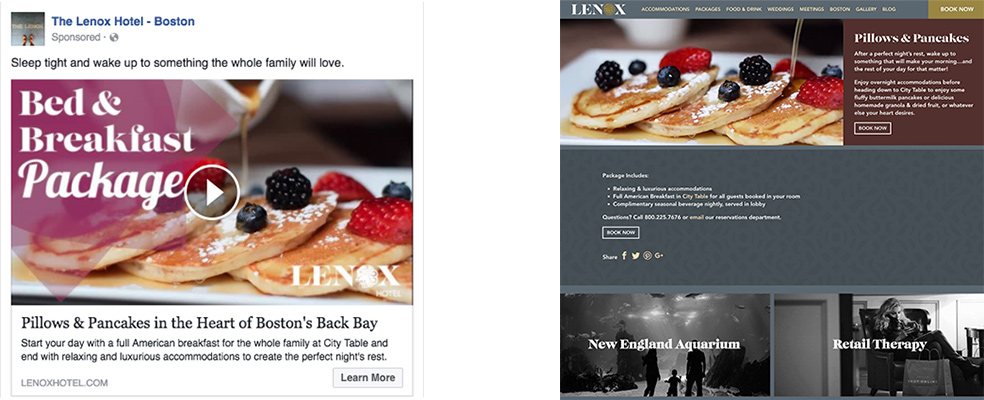
What is a landing page? A landing page is any webpage that your visitors arrive at after clicking on your advertisement, whether that’s social, display or even email. Landing pages can be anything, a homepage, a lead gen page or even a booking link. However, a dedicated landing page is specifically dedicated to whatever promotion or information brought the visitor to your site. For example, you are running a bed and breakfast package promotion, you have both social and display running for this promo. Visitors are interested and so they click through the ad, arriving at a specific page detailing the bed and breakfast package and including a “book now” link as the sole call to action. This user is moved down the funnel to conversion through the use of consistent messaging and imagery by way of a dedicated landing page. Below is a photo comparing the link between a social ad and a dedicated landing page:

Untitled-1

This guide introduces you to fundamental benefits of designated landing pages and some best practices to increase the impact of your digital advertising.

1. User Reassurance

Consider our battery sale example used above. Imagine you had walked in and there was a visible, informational sign about the battery sale upon entry into the superstore. The sign corroborates the information you saw in the advertisement, leading you to feel more comfortable in your new environment. This is a very basic example of “message match”, a term that basically just means that your messaging is consistent across channels. If you’ve advertised a bed and breakfast package on social media, your landing page serves as a home for specific messaging about that bed and breakfast package. The messaging shares similar copy, keywords, and creative that makes a user feel more at ease with their new website experience. While social and display advertising serve as a snapshot of your offering, dedicated landing pages can serve as home base, providing supplemental or critical information to the package that may not have been included in your snapshot.

2. Visitor Attention Ratio

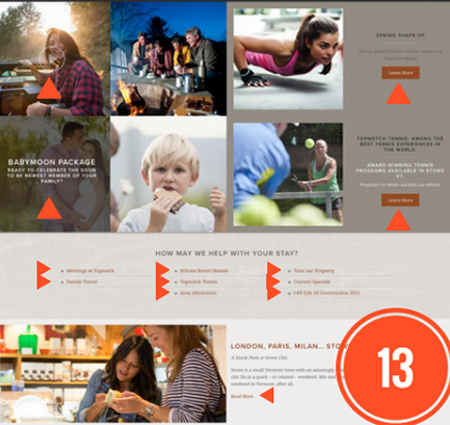
Aside from message match, dedicated landing pages serve as a way for businesses to manage what is known as the “visitor attention ratio.” Essentially, what this ratio is, is a comparison of how many interactive elements (ie. links) versus how many specific conversion goals (ie. book now button) are present on a webpage. A homepage typically exhibits a visitor attention ratio of 40:1. In simple terms, this means that for every specific conversion opportunity, there are 40 ways to leave the page (or be distracted from the conversion goal). Bottom line? Homepages are distracting. Take, for example, the below image of Topnotch Resort’s home page:

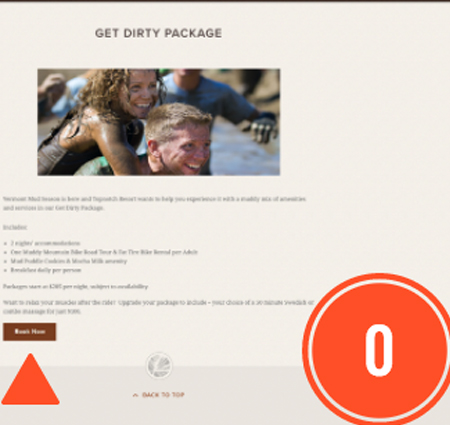
The homepage (excluding header/footer) exhibits 13 interactive elements versus 3 CTAs. There are so many opportunities for a visitor to become distracted from your initial messaging, leading them to different pages and lowering their probability of conversion. Alternatively, look at this landing page for their “Get Dirty” package:

2017.04_Blog_Image_Copy_3_DedicatedLandingPages

This dedicated landing page simplifies everything for the user by providing ONE conversion CTA: “Book Now” and 0 interactive elements (excluding header/footer). Here, the user is provided more information about the package and then directly given the opportunity to book.
In the hotel industry, often times links are sent to booking engines, this is not a designated landing page. At GCommerce, we advise against this as it can cause a couple of problems: first, the message gets lost as soon as they click through, which can disorient the user; and second, for display advertising, you MUST link to a landing page. Booking engines are not considered “crawlable” by SEO spiders and, therefore, are not valid links. It’s a safer bet all around to just create a designated landing page that features a “Book Now” button that links users to the booking engine.

2017.04_Blog_Image_Copy_4_DedicatedLandingPages

3. Best Practices

So now that we know why designated landing pages are fundamental to the success of your campaigns, how should they be built? Unbounce has supplied 5 steps to creating a successful landing page:

  • Your Unique Selling Proposition
    • Communicate what makes your offer unique immediately and clearly. You can do this through a headline, subheader, reinforcement statement, or closing argument. It’s estimated that you have 5 seconds to convince your user that you are worth their while and your USP is the quickest way to do this.
  • The Hero Shot
    • Use compelling imagery to convey a visual representation of your offer. Whether this is a photo or video, make sure it’s quality is up to par and that it is experiential. Supply imagery that helps your users imagine themselves at your property.
  • Benefits
    • If your users aren’t aware of what benefit the offer provides them, how well do you think it’s going to sell? Make this information clear and easy to find for the user. Use bullet points or numbers to show what’s included and why it is the right offer for them. Avoid paragraphs or thick walls of text that can make a user become disinterested in what you have to say.
  • Social Proof
  • A Single Conversion Goal – Call to Action
    • Offer a single CTA above the fold. Using more than one CTA distorts the visitor attention ratio we discussed earlier. In hospitality, your CTA is typically going to be “Book Now.” Insert a colorful button that allows users to click through directly to your booking engine. Remember, your designated landing pages are valuable tools in persuading your users to take a single, desired action, so make that action clear through a single and effective CTA.
  • Message Match
    • Earlier, we discussed how important it is that a user feels reassured on your website through the use of message match, so naturally, it is essential that we include this as a best practice. Make sure that your information supplements your campaign but still matches the initial verbiage and keywords. You can tell visitors more details about your offer, whether it’s what’s included, applicable exclusions, how to book, or where to direct questions to, it’s always important to provide more information without losing your initial voice and tone.
  • Naming Convention
    • Have a care in how you name your landing pages. Often times, what you name your landing page is visible to the public. For instance, in the above Topnotch example, you wouldn’t want to name your landing page “Get Dirty Landing Page” because your link will look something like “topnotchresort.com/get-dirty-landing-page”. Which just looks ridiculous. Keep it simple and relevant, without referring to it as a landing page. For instance, a good landing page name is simply “Get Dirty”, which would display as “topnotchresort.com/get-dirty”. It’s short, it’s sweet, and it gets to the point.

Build Brand Awareness Through Pinterest Promoted Pins

SHARE:

Pinterest is becoming increasingly more important in the travel marketing space. Defined by the company as “The world’s catalog of ideas” (Pinterest), it can best be described as a visual bookmarking tool. It essentially is a space where people can save recipes, DIYs, lifehacks, products, and other interesting information from around the internet. Currently, 150 million active Pinterest users browse the platform’s 75 billion pins (DMR), but Pinterest remains relatively under-utilized by the hospitality industry. In 2016, Pinterest expanded its digital marketing offerings through the introduction of video ads, a “buy button”, and, earlier this year, debuted search ads (Forbes, WSJ). But in order to understand Pinterest’s influence, it’s important to understand what purpose it serves. So that being said, how can a hotel utilize Pinterest to their advantage?

While other social marketing platforms, such as Facebook, are great for retargeting efforts, Pinterest serves largely as a brand awareness tool. Many users browse Pinterest to research and plan their purchases, or in the awareness mindset. Pinterest primarily serves the top of the funnel and understanding this is key to correctly utilizing the platform.

Promoted Pins

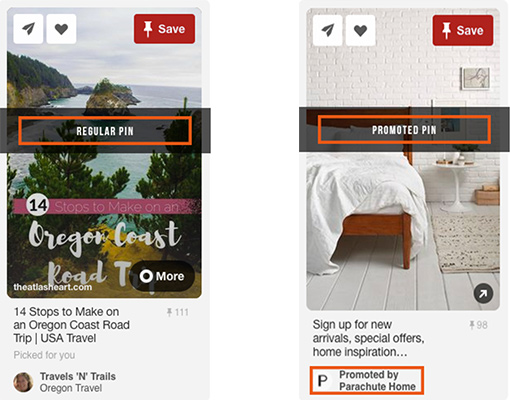
“Promoted Pins” are Pinterest’s native advertising offering. They look and function similar to regular pins, only businesses pay for users to see them.

promoted pin

It is essentially Pinterest’s version of Facebook promoted posts. They can be utilized for common marketing goals including awareness, engagement, and traffic. Like Facebook, all advertising is managed through a Pinterest Business Account that has been linked to an Ads Manager Platform. Promoting your pins is a four step process that is outlined below:

  1. Create a campaign: here, you specify your campaign goals and your budget. A budget for Pinterest advertising is really up to you. Users have managed to see good results anywhere from $20 to $200, it just depends on how you want to spend and what your real goals are.
  1. Pick a pin to promote: the catch with promoted pins is they must be pre-existing, unlike Facebook where you can create your ads in power editor. Typically, you want to leverage your best-performing pins. To view pin performance metrics, Pinterest has a built-in analytics platform, Pinterest Analytics. You can use multiple pins within one campaign, or stick to just one, it’s up to you. The only real tips to keep in mind is that you want to promote original content that utilizes Pinterest best practices as much as possible and you want it to link back to a website. Do not link to any redirects or lead gen landing pages. Side note: Pinterest offers a type of pin called “Rich Pins”, while there are a number of categories for rich pins, hospitality will be most interested in the “Place” rich pin, which enables the consolidation of business information such as address, phone number, and an interactive map through FourSquare.
  1. Add more details: in the third stage, you add your additional details including your destination URL and audience targeting. Targeting through Pinterest can cover various categories including demographics, keywords, and interests.
  2. Review and promote: the last step is to submit your promoted pin for review, which can take up to 24 hours.


Tracking Conversions

There are a number of ways to setup conversion tracking that can be broken down by different types of conversions (page visits, signups, checkouts, etc.) or action types (clicks, repins, views, etc.) Repins and closeups are some of the most important metrics on Pinterest purely because of what has been iterated above, Pinterest is a top of the funnel approach. People are planning or getting acquainted with your brand more so than they are converting.

Summary

Pinterest Promoted Pins are a great brand awareness tool for any business. As the platform grows in both users and digital marketing offerings, it is essential that the hospitality industry recognizes the importance and implement a strategy for utilizing the platform. Whether using Pinterest advertising or just having an active page, Pinterest is an important place for hotel businesses to see and be seen.

Guerilla Marketing Through Facebook Advertising

SHARE:

To some, April represents a race against the clock and scrambling to file taxes. To others, it equates to tax rebates and impromptu purchases. To hoteliers, it symbolizes struggle: the struggle to capture lost revenue resulting from mud season; the slow wait for the snow to melt and trails to dry. The solution? Connect consumers and their new-found disposable income with hoteliers looking to put heads in beds. The results of seasonal transitions are thoroughly understood by GCommerce. As residents of a resort town working with multiple hotels and resorts who must face the challenges of operating around seasonal traffic, we understand the trials and tribulations associated with putting heads in beds during these downturns in traffic. To ensure low cost-per-acquisitions (CPAs) and high return-on-investments (ROIs), hoteliers must ensure their marketing efforts are efficient. The ability to advertise on a cost-per-click (CPC) or cost-per-1000-impression (CPM) model, with both costs well below that of display advertising or media buys, allow hoteliers to deliver on the aforementioned objective. To date, GCommerce has seen an average ROI of 40-to-1 on Facebook Advertising campaigns.

FACEBOOK ADVERTISING: BUILDING YOUR NEXT GUERILLA MARKETING CAMPAIGN

Step 1: Match Need Periods to Upcoming Events

To the Tivoli Lodge, an iconic mountain town property, summer and winter mean high occupancy and a high ADR. Spring and fall however, equate to lower occupancy and a struggle to capture minimal market share. Crossmatching need periods with local events, those that put heads in beds, allow properties to combat seasonal lows.

Step 2: Determine Interest Surrounding Upcoming Events

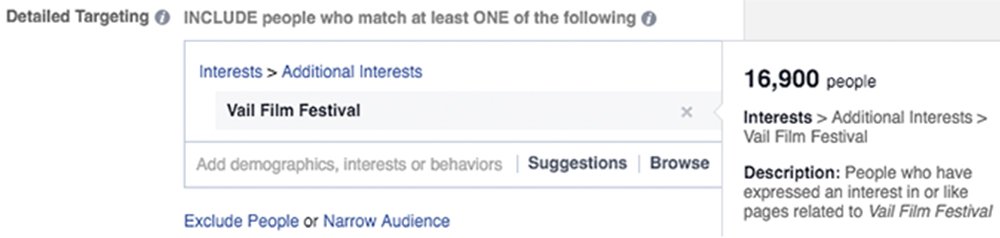
Once a comprehensive list of upcoming events has been identified, determine what, if any garner enough buzz to be identified as an Interest on Facebook. Using Facebook’s Detailed Targeting tool, we’ve identified that the following Vail events garner enough traffic to build a campaign around – Vail Film Festival and Bravo! Vail Music Festival.

2017.04_Blog_Image_Copy_1_FacebookGuerrillaMarketing

Step 3: Create an Informative Landing Page

A successful landing page will educate site visitors, providing thorough details about the event, and engage your audience, beautifully illustrating the experience that awaits.

Step 4: Develop Ads with Relevant Imagery and Copy

An eye-catching, vibrant image is a must. As our attention spans dwindle, it is imperative to capture the attention of those scrolling through their news feeds. Similar to your landing page, the ad should provide event details, yet focus on selling the experience to come rather than the product at hand. Your words must send your reader into a daydream, allowing them to imagine themselves at the event, as well as the experience they’ll have while staying at your property.

2017.04_Blog_Image_Copy_3_FacebookGuerrillaMarketing

Step 5: Launch Your Campaign!

Satisfied with your landing page? Do your ads provide engaging imagery and captivating content? If your answer to both is yes, then you’re ready to launch your campaign! GCommerce recommends the utilization of conversion tracking through Facebook and custom URLs developed through Google’s URL Builder to track key data via Analytics. Challenged with need periods resulting from seasonal transitions? Look to Facebook Advertising to execute guerilla marketing efforts by targeting local events and attractions as a way to increase awareness, drive qualified traffic to your site, and capitalize on your new-found prospects. Questions? Concerns? Allow us to help launch your next campaign!

insert

Keep Reading