Email Marketing is Not Dead
Yes, you read that correctly. Email is not dead, nor is it dying. In fact, it’s still hotter than ever! Claiming that email marketing is a thing of the past is an age-old tale that holds about as much weight as the argument that SEO is dead too (which is also not true, by the way).
If your hotel isn’t utilizing the powerful force of email, you may be missing out on a major opportunity to engage with your guests (both past and present) and help bridge the gap between one-time guests and guests who will be loyal to you for life. You don’t need us to tell you the hospitality industry is one of the most competitive markets out there, so it’s important to use your marketing dollars effectively.
Don’t Believe Us?
That’s okay, we don’t blame you. Every year there are a number of articles insisting that email marketing is dead, and every year the stats come rolling in proving them wrong. According to a recent report from Campaign Monitor, email returns $44 for every $1 spent. On top of that, 59% of digital marketers said that email continues to drive the highest ROI of any other digital channels, followed by social media at 21% and display ads at just 15%.
This all sounds pretty good, right? Think of it this way—92% of adults use email, and unlike social channels that force you to work around their algorithms, email almost guarantees eyes on your content. Not only do the majority of adults use email, but they use it more than social media. Only 74% of internet users use social media, but 89.6% of users send at least one email per month. And if you’re sending email, that means you’re also checking email regularly—sometimes 20-plus times per day!
But what about GDPR Regulations?
Yes GDPR, we remember the panic that hit the marketing world like it was yesterday, or a year ago to be more exact. The EU’s new laws were predicted to wreak havoc with digital marketers and to totally kill email marketing as we know it. Luckily, that didn’t happen (at least to the majority of us). In fact, those who were already following best practices for list management and data protection didn’t see much of a fallout at all. 60% of brands that complied with GDPR saw their email lists shrink by less than 10%, and more than likely those 10% were already inactive or unengaged users.
Although this isn’t the case for everyone, it’s important to remember that tighter regulations don’t always have to be bad. Maintaining good email practices such as regular list cleans will only help to keep the most qualified and engaged people on your active user lists, which means you can then better curate your email content to those users, thus driving more conversions.
Tell me more!
Now that we have your attention, let’s talk about a few best practices that will be extremely important to the success of your email campaigns in 2019.
Keep your content relevant through segmenting
Gone are the days of one-off batch emails to your entire subscriber list, and if this currently describes your email strategy, then this section is for you. Batch emails no longer work. Sure, they garner some click-throughs and a conversion here and there, but the one-size-fits-all strategy prevents you from truly connecting with your users and curating a relationship with your brand.
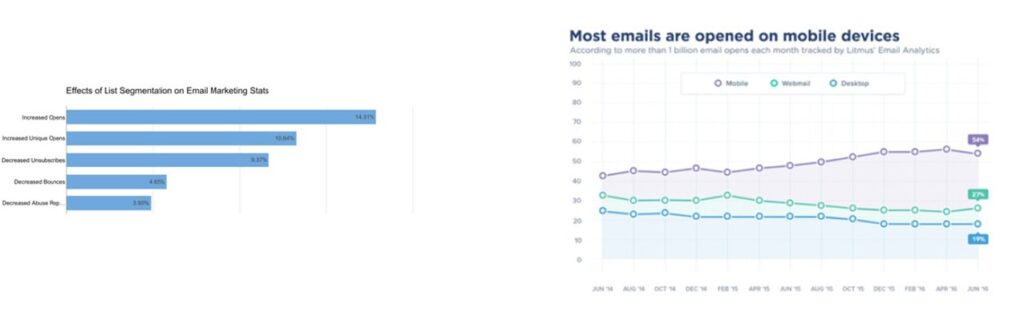
This is where segmentation comes in. You probably already have a ton of data on your users, so why not use it effectively? Segmenting doesn’t need to be complicated, either. It can be as easy as sending a summer package email to guests that stayed the previous summer, or simply targeting your local drive market with a weekend offer. The fact is that segmented campaigns get 14% more opens and nearly 60% more clicks compared to batch-style emails.
Personalization is no longer optional
Working in tandem with segmentation, personalizing your emails will help increase the likelihood of your users engaging with and trusting your brand. Personalization does require you dig in and really understand your audience, but once you do, you’ll be sure to see open rates and bookings soar. Even something as simple as a birthday email or stay-date anniversary can go a long way in creating lifetime value with your guests.
It all starts with a list
At the core of email marketing is your list of subscribers, and this is the key to unlocking successful segmentation and personalization.
How do you grow a robust list? Start with what you already have. Have you cleaned your list recently? If not, it may be clogged with inactive users that are driving your performance metrics down. A few easy ways to clean your list include stripping out users who haven’t opened an email within the past year or starting a drip campaign to re-engage your list. Narrowing down your list of hard-earned contacts might seem scary, but trust us, it’s all about quality over quantity.
Once you have a clean list, you’re ready to start growing! The first thing you should have is a clear sign-up on your website that is easy to find. This means if its hidden in your footer, not on your homepage, or takes longer than a couple seconds to find, you’re missing out on getting new subscribers with virtually no work required. Another easy way to gather emails is directly from your customers upon booking or check-in or at the bottom of a blog post.
That’s a wrap
The marketing world is ever-evolving, and our consumers now have more control over their information than ever. It’s our job as digital marketers to make sure that information is relevant, timely, and useful. Email is certainly not dead and still has the brightest future of any other digital marketing channel. Don’t get left behind by cutting this integral channel from your marketing repertoire! GCommerce has the tools and knowledge to help your hotel adapt to the new way of email marketing and build up an audience of loyal guests and travelers.